Master Next.js Boilerplates for SaaS Development in 2026
Discover how the right Next.js boilerplate can accelerate SaaS development in 2026. Learn to choose, evaluate, and implement a multi-tenant architecture that saves time and costs while enhancing security and performance.

Zakariae

Building a SaaS application from scratch in 2026 requires navigating an increasingly complex landscape of authentication systems, payment integrations, multi-tenant architectures, and deployment configurations. What once took development teams six months to assemble can now be accomplished in days with the right foundation. The secret weapon that separates founders who launch quickly from those stuck in infrastructure purgatory is selecting and implementing the right nextjs boilerplate for their specific use case.
Whether you are a solo technical founder validating a market hypothesis, a web agency building white-label solutions for clients, or an enterprise team constructing a no-code platform, the boilerplate you choose determines your velocity for months to come. This comprehensive guide examines everything you need to know about selecting, evaluating, and implementing a Next.js boilerplate that aligns with your SaaS development goals in 2026.
Key Takeaways
- Time savings are substantial: A well-chosen boilerplate can save 600+ hours of development time by providing pre-built authentication, payments, and multi-tenant infrastructure.
- Multi-tenancy matters: For SaaS platforms serving multiple clients, native multi-tenant architecture with custom subdomains and SSL is essential, not optional.
- Authentication has evolved: Modern solutions like NextAuth 5.0 and better-auth offer superior security features including 2FA, passkeys, and role-based access control.
- Self-hosting flexibility reduces costs: Boilerplates with self-hosting guides can reduce monthly infrastructure costs from hundreds of dollars to as little as fifteen dollars per month.
- The App Router is mandatory: In 2026, any boilerplate still using the legacy Pages Router should be immediately disqualified from consideration.
- Payment provider diversity protects revenue: Supporting multiple payment providers (Stripe, LemonSqueezy, Polar) ensures you can serve customers globally without geographic limitations.
- AI-assisted development integration: The best boilerplates now include AGENTS.md files for seamless integration with AI coding assistants like Cursor and Claude Code.

Understanding What a Next.js Boilerplate Actually Provides
A Next.js boilerplate is fundamentally different from a simple starter template or a collection of code snippets. It represents a complete, production-ready foundation that includes all the infrastructure components a SaaS application requires before you write a single line of product-specific code. Think of it as the difference between receiving a plot of land versus a fully constructed building with plumbing, electrical systems, and HVAC already installed and inspected.
The core components of a quality SaaS boilerplate include authentication systems with multiple provider support, payment processing with subscription management, database schemas with proper migrations, email delivery infrastructure, and deployment configurations. Beyond these basics, premium boilerplates add multi-tenant architecture, admin dashboards, analytics integration, and team collaboration features that would otherwise require weeks of custom development.
What separates a boilerplate from a framework is ownership and customization. When you purchase or clone a boilerplate, you own the code entirely. You can modify every line, remove components you do not need, and extend functionality without waiting for upstream updates. This contrasts with frameworks where you build on top of abstracted layers that you cannot directly modify. For SaaS development, this ownership model proves critical because every business has unique requirements that generic solutions cannot anticipate.
The economic argument for using a boilerplate becomes clear when you calculate the true cost of building infrastructure from scratch. A senior developer earning $150,000 annually costs approximately $75 per hour. Building authentication alone typically requires 40 to 80 hours. Add payment integration (another 40 hours), email systems (20 hours), and basic admin functionality (60 hours), and you have already invested $15,000 or more in infrastructure before touching your actual product. A boilerplate costing $199 to $999 represents a 95% or greater savings on these foundational components.
The Evolution of Next.js Architecture in 2026
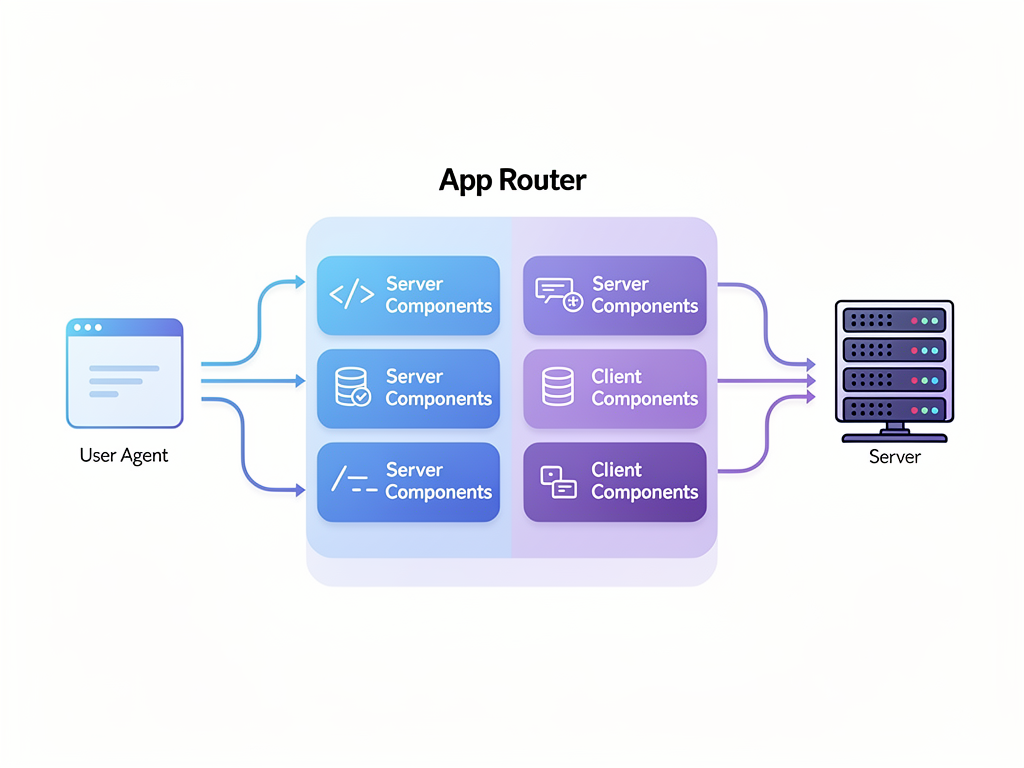
Next.js has undergone significant architectural changes since its introduction, and understanding these changes is crucial for evaluating boilerplates. The most important shift occurred with the introduction of the App Router, which replaced the legacy Pages Router as the recommended approach for building Next.js applications. In 2026, any boilerplate still built on the Pages Router should be immediately disqualified from consideration regardless of its other features.
The App Router brings several advantages that directly impact SaaS development. Server Components allow you to render components on the server without sending JavaScript to the client, dramatically reducing bundle sizes and improving initial page load performance. Server Actions enable form submissions and data mutations without creating separate API endpoints, simplifying your codebase. Streaming allows progressive rendering of page content, improving perceived performance for users on slower connections.
React 19 compatibility has become another essential requirement. The latest React version introduces improvements to Suspense boundaries, enhanced error handling, and better support for concurrent rendering. Boilerplates built for React 18 may function, but they miss performance optimizations and developer experience improvements that compound over time. When evaluating options, verify that the boilerplate explicitly supports React 19 and takes advantage of its features.
TypeScript has transitioned from a nice-to-have feature to an absolute requirement for serious SaaS development. Type safety catches errors at compile time rather than runtime, improves code documentation, and enables superior IDE support with autocompletion and refactoring tools. Every component, API route, database query, and utility function in a quality boilerplate should be fully typed. Boilerplates that offer TypeScript as an optional add-on rather than a core feature typically have weaker type coverage throughout their codebase.
Multi-Tenant Architecture: The Foundation for Scalable SaaS
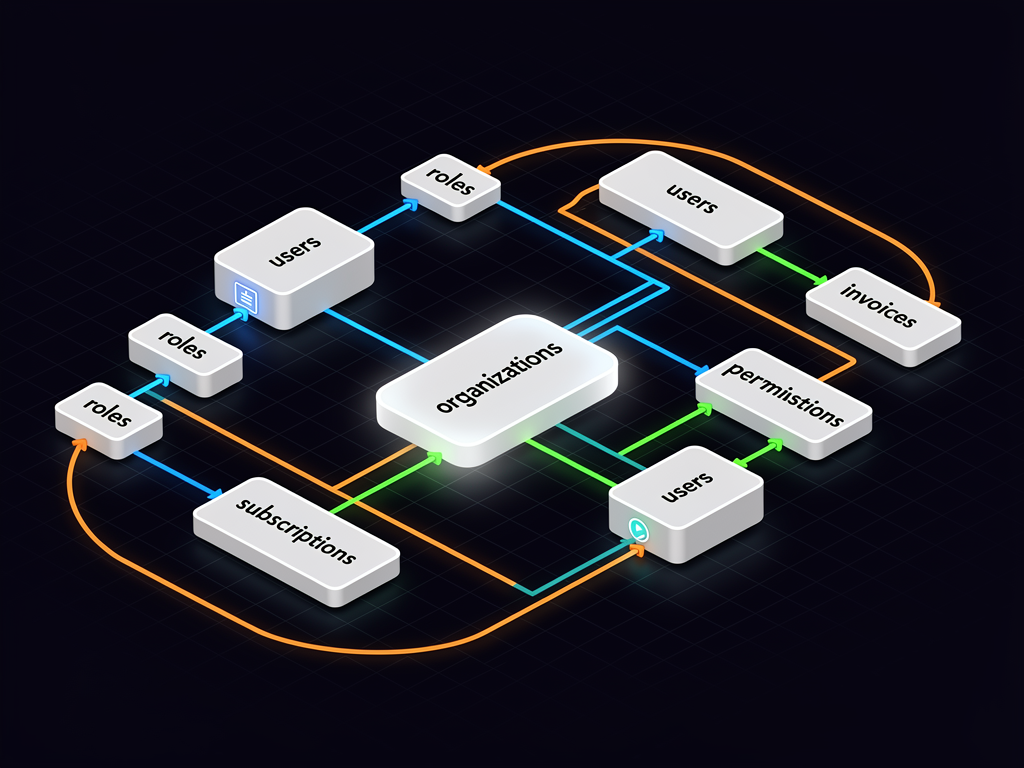
Multi-tenancy represents the architectural pattern that allows a single application instance to serve multiple customers (tenants) while keeping their data isolated and secure. For SaaS applications, this is not merely a feature but a fundamental architectural decision that affects every aspect of your application from database design to authentication flows to billing logic. A multi-tenant boilerplate provides this architecture out of the box, saving months of complex engineering work.
There are three primary approaches to multi-tenancy, each with distinct tradeoffs. Database-per-tenant provides the strongest isolation by giving each customer their own database instance. This approach simplifies compliance requirements and allows per-tenant backup and restore operations, but it increases infrastructure costs and complicates schema migrations. Schema-per-tenant uses a single database with separate schemas for each tenant, offering moderate isolation with lower costs. Row-level isolation stores all tenant data in shared tables with a tenant identifier column, providing the lowest cost and simplest management but requiring careful query design to prevent data leakage.
Custom subdomains represent a critical feature for multi-tenant platforms. When each tenant accesses your platform through their own subdomain (tenant1.yourplatform.com, tenant2.yourplatform.com), it creates a white-label experience that strengthens their connection to your service. Implementing custom subdomains correctly requires DNS configuration, SSL certificate provisioning, and middleware that routes requests to the appropriate tenant context. Platforms like NextBuilder include this functionality with automatic SSL provisioning, eliminating one of the most technically challenging aspects of multi-tenant development.
Beyond subdomains, premium multi-tenant solutions support custom domains where tenants can connect their own domain names (app.tenantcompany.com) to your platform. This requires automated SSL certificate generation, typically through Let's Encrypt, and DNS verification workflows. The complexity of implementing custom domains correctly, including handling certificate renewals and DNS propagation delays, makes this feature particularly valuable when included in a boilerplate.
Tenant isolation extends beyond data to include rate limiting, feature flags, and resource quotas. A sophisticated multi-tenant boilerplate allows you to define different service tiers with varying limits on API calls, storage usage, team members, or custom features. This tiered approach enables the freemium and usage-based pricing models that have become standard in SaaS businesses.
Authentication Systems: Beyond Simple Login Forms
Authentication in 2026 has evolved far beyond username and password combinations. Modern SaaS applications require sophisticated authentication systems that balance security with user experience while supporting the complex permission models that business applications demand. The authentication solution included in your boilerplate will affect every user interaction with your platform, making it one of the most critical evaluation criteria.
NextAuth (now Auth.js) version 5.0 has emerged as a popular choice for Next.js applications, offering a balance of flexibility and ease of implementation. It supports dozens of OAuth providers out of the box, handles session management automatically, and integrates cleanly with the App Router architecture. However, NextAuth has limitations around more advanced features like fine-grained permissions and multi-tenant authentication flows that may require additional customization.
Better-auth has gained significant traction as a more feature-rich alternative. It includes native support for two-factor authentication (2FA), passkeys (the passwordless authentication standard backed by Apple, Google, and Microsoft), and role-based access control (RBAC) without requiring plugins or extensions. For SaaS applications where security is paramount, better-auth's comprehensive feature set reduces the custom code required to meet enterprise security requirements.
Dual authentication systems represent an advanced pattern essential for multi-tenant platforms. Consider a no-code platform where both platform administrators and the end users of applications built on the platform need to authenticate. These are fundamentally different user populations with different permission models and authentication requirements. A boilerplate designed for multi-tenant SaaS should support this dual authentication pattern natively, maintaining separate user pools and session contexts for platform users versus application members.
Session management strategy significantly impacts both security and user experience. JSON Web Tokens (JWTs) enable stateless authentication that scales horizontally without shared session storage, but they cannot be invalidated before expiration without additional infrastructure. Database-backed sessions allow immediate revocation but require database queries on every request. The best boilerplates offer configurable session strategies or hybrid approaches that balance these tradeoffs based on your specific requirements.

Payment Integration: The Revenue Engine of Your SaaS
Payment processing represents the most complex integration in any SaaS application, and it is also the most critical since it directly affects your revenue. A boilerplate's payment implementation determines how quickly you can start generating income and how much ongoing maintenance your billing system requires. The difference between a basic Stripe checkout button and a comprehensive billing system is measured in weeks of development time.
Stripe remains the dominant payment processor for SaaS applications, particularly in the United States and European markets. A quality boilerplate should include complete Stripe integration covering subscription creation, plan changes (upgrades and downgrades), cancellations, payment method updates, invoice generation, and webhook handling for events like failed payments and subscription renewals. The webhook implementation is particularly important since missed webhooks can result in users accessing premium features without payment or losing access despite successful payments.
LemonSqueezy and Polar have emerged as important alternatives to Stripe, particularly for digital products and international sellers. LemonSqueezy handles sales tax compliance automatically, which eliminates a significant administrative burden for small teams. Polar focuses on open-source monetization and offers features tailored to developer tools. Boilerplates that support multiple payment providers give you flexibility to optimize for different markets or migrate if pricing or terms change.
Subscription management encompasses far more than initial payment collection. Users need the ability to view their current plan, upgrade or downgrade, update payment methods, view invoice history, and cancel their subscription. The customer billing portal, whether built custom or using Stripe's hosted portal, must handle edge cases like prorated charges during mid-cycle plan changes, grace periods for failed payments, and reactivation of cancelled subscriptions. These flows are notoriously difficult to implement correctly, making pre-built implementations extremely valuable.
Usage-based billing has become increasingly popular for AI-powered SaaS applications where resource consumption varies significantly between users. Implementing metered billing requires tracking usage events, aggregating them into billing periods, and communicating usage to your payment processor. Some boilerplates include credit systems that handle this complexity, allowing you to define credits per plan tier and deduct them atomically as users consume resources.
Database Architecture and ORM Selection
The database layer forms the persistent foundation of your SaaS application, and the choices made here have long-lasting implications for performance, scalability, and developer productivity. Modern Next.js boilerplates typically use PostgreSQL as the database engine, combined with an Object-Relational Mapping (ORM) library that provides type-safe database access from your application code.
Prisma has been the dominant ORM choice for Next.js applications, offering an excellent developer experience with auto-generated types, intuitive query syntax, and visual database management through Prisma Studio. Its migration system handles schema changes cleanly, and its documentation is comprehensive. However, Prisma's query engine adds latency to database operations, which can become noticeable at scale or in serverless environments where cold starts compound the overhead.
Drizzle ORM has emerged as a compelling alternative that prioritizes performance and SQL familiarity. Drizzle generates queries that closely mirror raw SQL, resulting in faster execution and smaller bundle sizes. Its type inference is equally strong as Prisma's, and it supports the same databases. For applications where database performance is critical or where developers prefer staying closer to SQL, Drizzle offers advantages worth considering. The best boilerplates either use Drizzle by default or offer it as a supported alternative.
Database hosting decisions affect both cost and performance. Managed PostgreSQL services like Neon and Supabase offer serverless scaling, automatic backups, and connection pooling that simplify operations. Neon's branching feature allows you to create isolated database copies for testing or development, which is particularly valuable for SaaS applications with complex data relationships. Supabase adds real-time subscriptions and built-in authentication, though using Supabase Auth may conflict with your boilerplate's authentication system.
Self-hosting your database can dramatically reduce costs for applications with predictable traffic patterns. A boilerplate that includes self-hosting guides for platforms like Hetzner combined with deployment tools like Coolify enables you to run enterprise-grade infrastructure for a fraction of managed service costs. The tradeoff is increased operational responsibility, but for technical founders comfortable with server administration, the savings can be substantial.
Email Infrastructure: Transactional and Marketing Communications
Email remains the primary communication channel between SaaS applications and their users, serving both transactional purposes (password resets, invoice receipts, usage alerts) and marketing purposes (onboarding sequences, feature announcements, re-engagement campaigns). A comprehensive boilerplate addresses both use cases with pre-built templates and integration with modern email service providers.
Transactional email templates should cover the complete user lifecycle. At minimum, this includes email verification, password reset, magic link authentication, subscription confirmation, payment receipt, payment failure notification, and account deletion confirmation. Quality boilerplates provide ten or more templates that you can customize with your branding rather than building from scratch. These templates should be responsive, tested across email clients, and include both HTML and plain text versions for maximum deliverability.
Email service provider selection involves tradeoffs between deliverability, features, and cost. Resend has gained popularity for its developer-friendly API and React Email integration that allows building email templates with familiar React components. Postmark offers superior deliverability for transactional emails. SendGrid and Amazon SES provide the lowest per-email costs at scale. The best boilerplates abstract the email provider behind a common interface, allowing you to switch providers without rewriting your email logic.
Marketing email capabilities distinguish premium boilerplates from basic starters. Features like campaign builders, audience segmentation, automated sequences, and analytics dashboards enable you to nurture leads and retain customers without purchasing separate email marketing software. For early-stage SaaS products, having these capabilities built into your platform eliminates the need for tools like Mailchimp or ConvertKit, reducing both costs and integration complexity.
Email deliverability requires proper DNS configuration including SPF, DKIM, and DMARC records. Boilerplates should document these requirements clearly and ideally provide verification tools to confirm correct configuration. Poor deliverability means your password reset emails land in spam folders, creating support tickets and user frustration that could have been prevented with proper setup.
Admin Dashboards and Analytics Integration
Operating a SaaS business requires visibility into user behavior, revenue metrics, and system health. Admin dashboards provide this visibility through interfaces designed for platform operators rather than end users. A boilerplate with comprehensive admin functionality accelerates your ability to understand and respond to what is happening in your business.
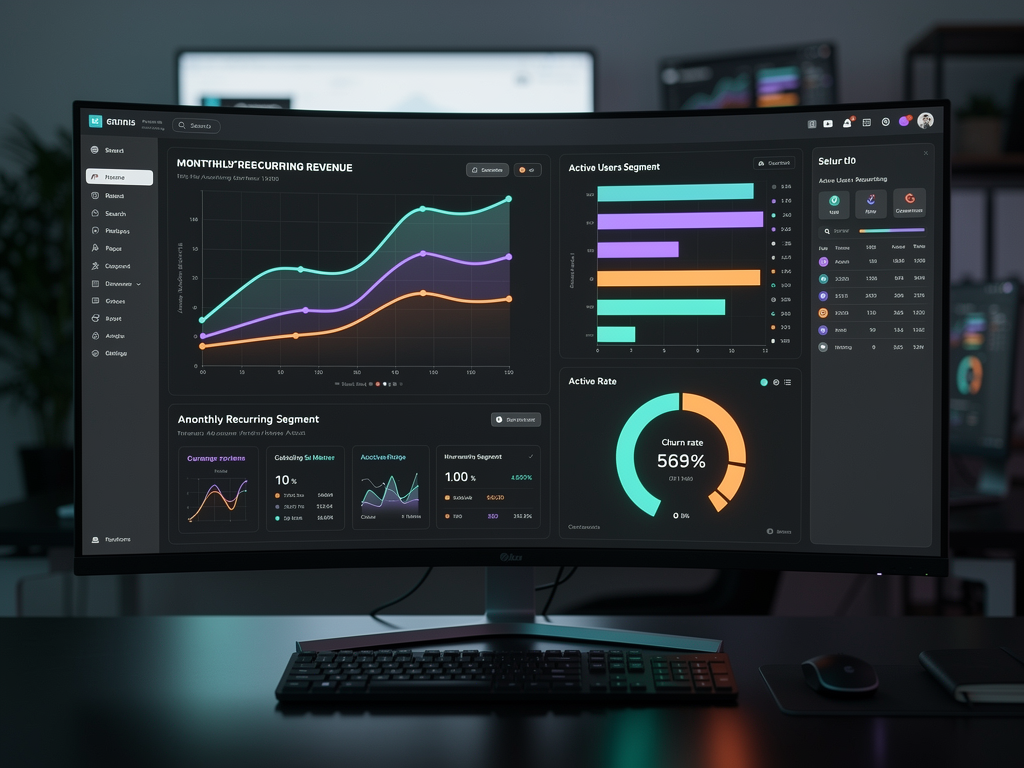
User management interfaces should allow administrators to view all users, search and filter by various criteria, impersonate users for debugging, manually adjust subscription status, and handle account-related support requests. For multi-tenant platforms, these capabilities extend to the organization level, allowing you to see all tenants, their usage patterns, and their subscription status. Real-time analytics showing active users, recent signups, and revenue trends provide immediate feedback on business health.
Product analytics integration helps you understand how users interact with your application. PostHog has become a popular choice for SaaS applications, offering event tracking, session recordings, feature flags, and A/B testing in a single platform. Plausible provides privacy-focused analytics that comply with GDPR without requiring cookie consent banners. The best boilerplates support multiple analytics providers through a unified interface, allowing you to choose based on your privacy requirements and feature needs.
Revenue analytics deserve special attention for subscription businesses. Metrics like Monthly Recurring Revenue (MRR), churn rate, customer lifetime value (LTV), and expansion revenue tell the story of your business health. While dedicated tools like ChartMogul and Baremetrics provide deep revenue analytics, having basic metrics available in your admin dashboard reduces context switching and ensures you always have visibility into the numbers that matter most.
Error monitoring and application performance monitoring (APM) integration ensures you learn about problems before your users report them. Sentry integration for error tracking has become standard in quality boilerplates, capturing exceptions with full stack traces and context about the user and request that triggered the error. This visibility dramatically reduces debugging time and helps you prioritize fixes based on error frequency and impact.
Team Collaboration and Permission Systems
Most SaaS applications eventually need to support teams rather than individual users. Implementing team functionality correctly requires careful consideration of invitation flows, permission models, and billing implications. A Next.js starter kit with built-in team support saves significant development time while ensuring these complex features work correctly from day one.
Invitation systems must handle multiple scenarios gracefully. When inviting an existing user, they should be added to the team immediately. When inviting a new user, the invitation should create a pending record that converts to team membership upon registration. Invitations should expire after a reasonable period, and administrators should be able to revoke pending invitations. Edge cases like inviting someone who already has a pending invitation or who is already a team member require thoughtful handling to avoid confusing error messages.
Permission models range from simple role-based systems to complex attribute-based access control. For most SaaS applications, a role-based system with four to six permission levels provides sufficient granularity without overwhelming complexity. A typical hierarchy might include Owner (full control including billing and deletion), Admin (user management and settings), Editor (content creation and modification), Viewer (read-only access), and potentially specialized roles for specific functions. The boilerplate should enforce these permissions consistently across both the UI (hiding unauthorized actions) and the API (rejecting unauthorized requests).
Billing for teams introduces complexity around seat-based pricing, where the subscription cost scales with the number of team members. This requires tracking team size changes, calculating prorated charges when members are added mid-cycle, and potentially enforcing member limits based on subscription tier. Some boilerplates handle this automatically through integration with Stripe's quantity-based subscriptions, while others require custom implementation.
Audit logging becomes important for team accounts, particularly those serving enterprise customers. Recording who performed what action and when provides accountability and helps with debugging issues. A comprehensive audit log captures authentication events, permission changes, data modifications, and administrative actions. While not every boilerplate includes audit logging, those targeting enterprise use cases typically provide this functionality.
Deployment Strategies and Infrastructure Costs
How and where you deploy your SaaS application affects both your operational costs and your ability to scale. The deployment landscape in 2026 offers more options than ever, from fully managed platforms to self-hosted infrastructure. Understanding these options helps you choose a boilerplate that aligns with your operational preferences and budget constraints.
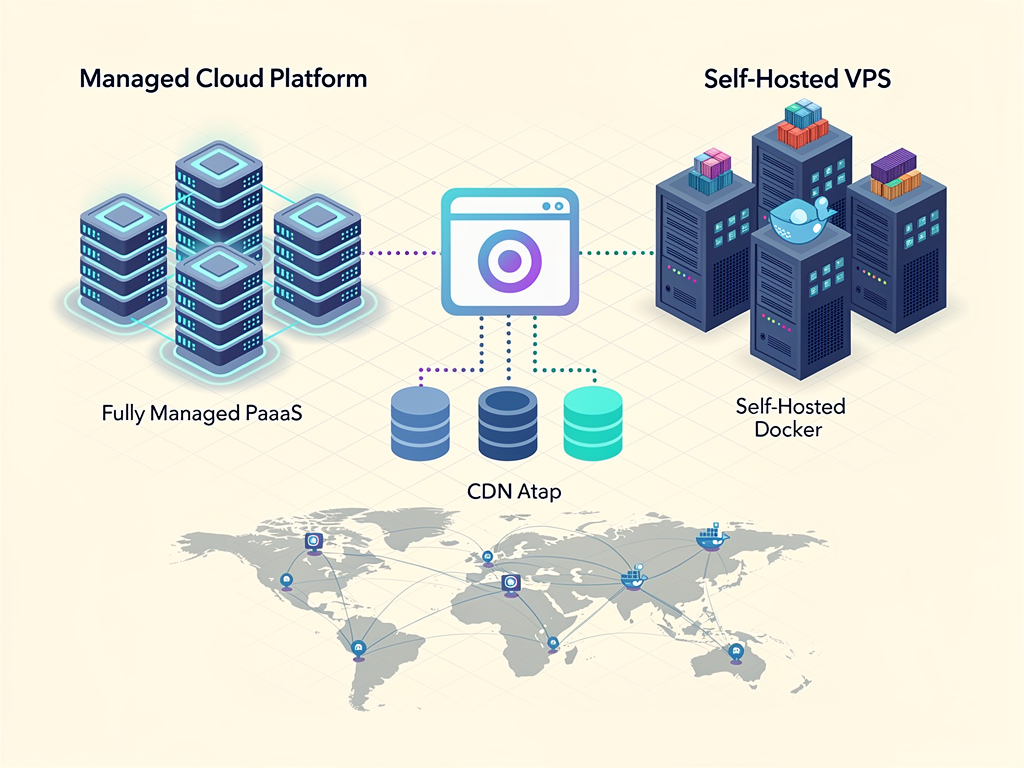
Vercel remains the default deployment target for Next.js applications, offering zero-configuration deployments, automatic preview environments for pull requests, and edge network distribution. For applications with moderate traffic, Vercel's pricing is reasonable, and the developer experience is unmatched. However, costs can escalate quickly for high-traffic applications or those with significant serverless function usage. Boilerplates optimized exclusively for Vercel may use features that do not translate to other platforms.
Self-hosting has become increasingly viable thanks to tools like Coolify, an open-source alternative to platforms like Heroku and Vercel. Combined with affordable VPS providers like Hetzner, self-hosting can reduce monthly infrastructure costs from hundreds of dollars to as little as fifteen dollars for a capable server. The tradeoff is increased operational responsibility for updates, backups, and security patches. Boilerplates that include self-hosting guides lower the barrier to this cost-effective approach.
Docker containerization enables consistent deployments across any infrastructure. A boilerplate with proper Dockerfile and docker-compose configurations can be deployed to any container hosting platform including AWS ECS, Google Cloud Run, or self-managed Kubernetes clusters. This portability protects you from vendor lock-in and provides flexibility as your infrastructure needs evolve.
Database hosting decisions should align with your deployment strategy. If you self-host your application, self-hosting your database on the same server or a nearby server minimizes latency. If you use Vercel or another edge platform, a serverless database like Neon or PlanetScale provides the connection pooling and geographic distribution needed for optimal performance. The boilerplate should support both approaches without requiring significant code changes.
AI-Assisted Development and Modern Tooling
The integration of AI coding assistants has transformed software development workflows in 2026. Tools like Cursor, GitHub Copilot, and Claude Code can dramatically accelerate development when they understand your codebase structure and conventions. The best boilerplates now include explicit support for AI-assisted development through documentation files and code organization patterns that AI tools can leverage effectively.
AGENTS.md files have emerged as a standard for communicating project context to AI coding assistants. This file describes your project structure, coding conventions, available utilities, and common patterns. When an AI assistant reads this file, it can generate code that matches your existing style and correctly uses your abstractions. Boilerplates that include comprehensive AGENTS.md files enable you to leverage AI assistance immediately rather than spending time teaching the AI about your codebase.
Code organization patterns significantly impact AI effectiveness. Consistent file naming, clear separation of concerns, and well-documented utility functions help AI tools understand where to find relevant code and how to extend existing patterns. A boilerplate with thoughtful organization enables AI assistants to generate accurate suggestions that integrate cleanly with existing code.
Type safety becomes even more valuable in AI-assisted workflows. When your codebase is fully typed, AI tools can verify that generated code is type-correct before presenting it to you. This catches errors earlier and reduces the review burden when accepting AI suggestions. Boilerplates with comprehensive TypeScript coverage throughout their codebase maximize the benefits of AI-assisted development.
Development tooling beyond AI assistance also matters for productivity. Turbopack provides faster development server startup and hot module replacement compared to webpack. ESLint and Prettier configurations ensure consistent code style across the team. Husky pre-commit hooks catch issues before they enter the repository. A well-configured boilerplate includes these tools with sensible defaults that you can customize as needed.
Evaluating Boilerplate Quality: Red Flags and Green Flags
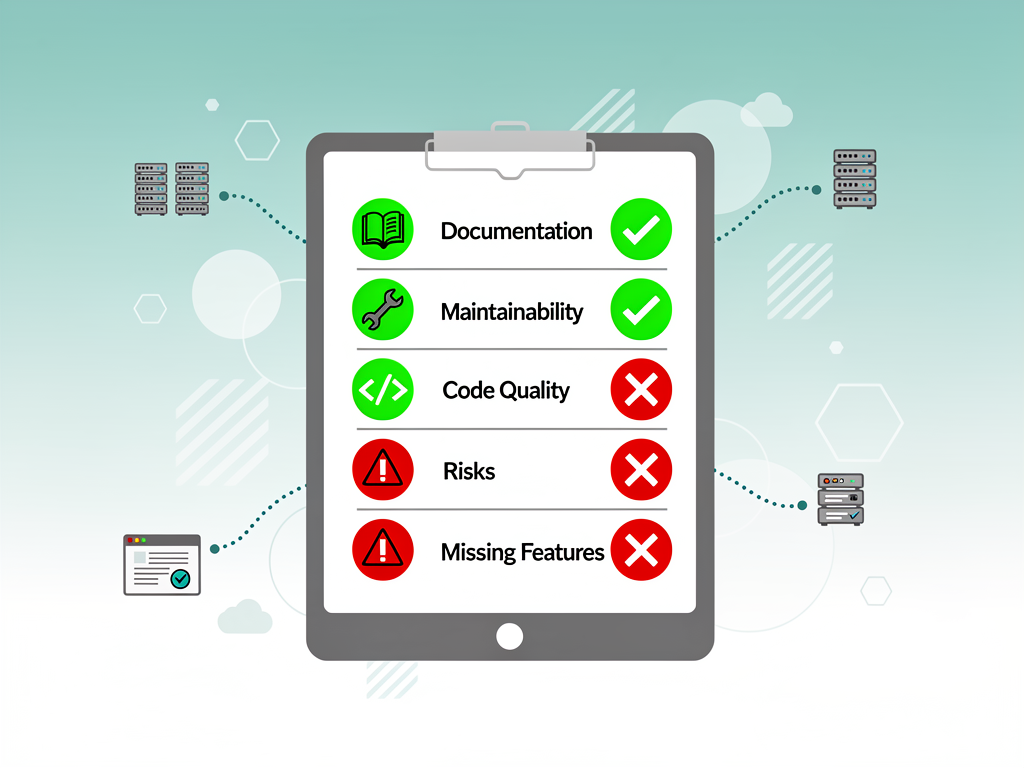
Not all boilerplates deliver on their promises. Some are abandoned projects with outdated dependencies. Others are marketing exercises with minimal actual functionality. Learning to evaluate boilerplate quality before committing your project to a particular foundation can save significant time and frustration.
Green flags that indicate a quality boilerplate include active maintenance with recent commits, comprehensive documentation with both quick-start guides and detailed API references, a responsive maintainer who addresses issues and questions, TypeScript throughout the codebase with no any types in critical paths, test coverage for core functionality, and clear upgrade paths when new versions are released. A demo application that you can explore before purchasing provides confidence that the boilerplate works as advertised.
Red flags that suggest avoiding a boilerplate include no updates in the past six months, documentation that does not match the actual code, unresolved GitHub issues piling up without maintainer response, JavaScript instead of TypeScript or TypeScript with poor type coverage, no tests or only trivial test coverage, and dependencies on outdated versions of Next.js or React. Marketing that emphasizes feature count over implementation quality often indicates a boilerplate that is wide but shallow.
Community size and activity provide signals about long-term viability. A boilerplate with an active Discord server, regular blog posts, and contributions from multiple developers is more likely to remain maintained than a solo project. However, smaller projects with dedicated maintainers can also be excellent choices, particularly for niche use cases where the maintainer has deep expertise.
Pricing models vary from free open-source projects to premium boilerplates costing several hundred dollars. Free options typically lack advanced features like multi-tenancy, comprehensive payment integration, or ongoing support. Premium boilerplates justify their cost through time savings, but only if they actually deliver the promised functionality. Reading reviews, examining the demo, and understanding the refund policy helps you make an informed decision.
Building No-Code Platforms with Multi-Tenant Boilerplates
A particularly powerful application of multi-tenant boilerplates is building no-code platforms where your customers create their own applications. This meta-level use case requires sophisticated architecture that most boilerplates cannot support, but specialized options like NextBuilder are designed specifically for this purpose.
No-code platform architecture involves multiple layers of multi-tenancy. Your platform serves multiple clients (first-level tenants), and each client's applications serve their own users (second-level tenants). The authentication system must distinguish between platform administrators, client administrators, and end users of client applications. Billing may occur at multiple levels, with clients paying you for platform access and potentially charging their own users for application access.
Custom subdomain and domain support becomes essential for no-code platforms. Each client needs their own branded presence, whether through subdomains of your platform (clientname.yourplatform.com) or their own custom domains (app.clientcompany.com). Automatic SSL certificate provisioning ensures secure connections without manual intervention. This infrastructure complexity is precisely why purpose-built solutions provide so much value.
Application builder interfaces require careful design to be powerful yet accessible to non-technical users. While the boilerplate provides the infrastructure, you still need to build the actual builder experience. However, starting with a foundation that handles authentication, data isolation, and deployment means you can focus entirely on the builder interface rather than splitting attention across infrastructure concerns.
Monetization features for no-code platforms often include the ability for clients to accept payments within their applications. This requires payment processing that flows through your platform while crediting the appropriate client. Some boilerplates include affiliate program functionality that can be adapted for this purpose, tracking referrals and calculating commissions automatically.
Migration Strategies: Moving to a New Boilerplate
Sometimes you need to migrate an existing application to a new boilerplate, whether because your current foundation has limitations, the maintainer has abandoned the project, or your requirements have evolved beyond what your original choice supports. Planning this migration carefully minimizes disruption and data loss.
Database migration typically presents the greatest challenge. If both boilerplates use the same ORM (Prisma to Prisma, for example), migration scripts can transform existing data to match the new schema. If ORMs differ, you may need to write custom migration logic. User data, subscription information, and tenant relationships require particular care since errors here directly impact customers.
Authentication migration must preserve user sessions and credentials. If both systems use the same authentication provider, migration may be straightforward. If authentication approaches differ significantly, you may need to implement a transition period where both systems are active, gradually migrating users as they log in. Password hashes should be compatible or users will need to reset their passwords.
Feature parity analysis before migration identifies functionality gaps that need addressing. List every feature your current application provides and verify that the new boilerplate supports it or that you can implement it within a reasonable timeframe. Discovering missing functionality mid-migration creates difficult decisions about whether to continue or roll back.
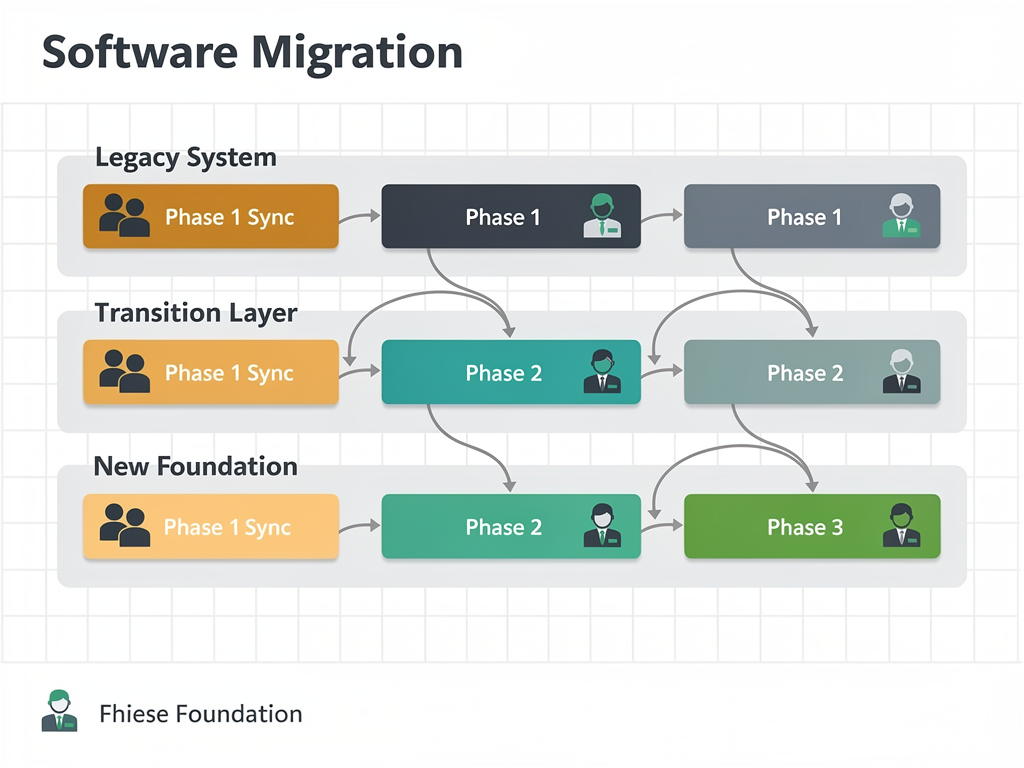
Staged migration reduces risk by moving components incrementally rather than all at once. You might migrate the marketing site first, then the authentication system, then the core application, then billing. Each stage can be tested thoroughly before proceeding to the next. This approach takes longer but provides more opportunities to catch and correct issues.
Future-Proofing Your Boilerplate Selection
Technology evolves rapidly, and the boilerplate you choose today will need to adapt to changes over the coming years. Selecting a boilerplate with future-proofing in mind reduces the likelihood of forced migrations and ensures your application can take advantage of new capabilities as they emerge.
Framework version compatibility matters because Next.js releases major versions annually with new features and occasional breaking changes. A boilerplate with a track record of timely updates to new Next.js versions demonstrates maintainer commitment and reduces the risk of being stuck on an outdated framework version. Check the changelog to see how quickly previous major versions were supported.
Architectural flexibility allows adaptation to changing requirements. A boilerplate that enforces rigid patterns may work well initially but become constraining as your application grows. Look for clean abstractions that allow swapping components (authentication providers, payment processors, email services) without rewriting large portions of your codebase.
Community and ecosystem alignment with broader Next.js and React ecosystems ensures compatibility with third-party libraries and tools. Boilerplates that use standard patterns and popular libraries integrate more easily with the broader ecosystem than those with highly custom approaches. This alignment also makes it easier to find developers familiar with your stack.
Maintainer sustainability affects long-term viability. Solo maintainers can produce excellent boilerplates, but they also represent single points of failure. Understanding the maintainer's business model (whether through boilerplate sales, consulting, or other revenue) helps assess whether they have incentive and resources to continue development. Open-source boilerplates with multiple contributors may offer more sustainability than single-maintainer commercial products.
Comparing Popular Next.js SaaS Boilerplates in 2026
The market offers numerous options for SaaS template foundations, each with distinct strengths and target audiences. Understanding how these options compare helps you make an informed selection based on your specific requirements rather than marketing claims.
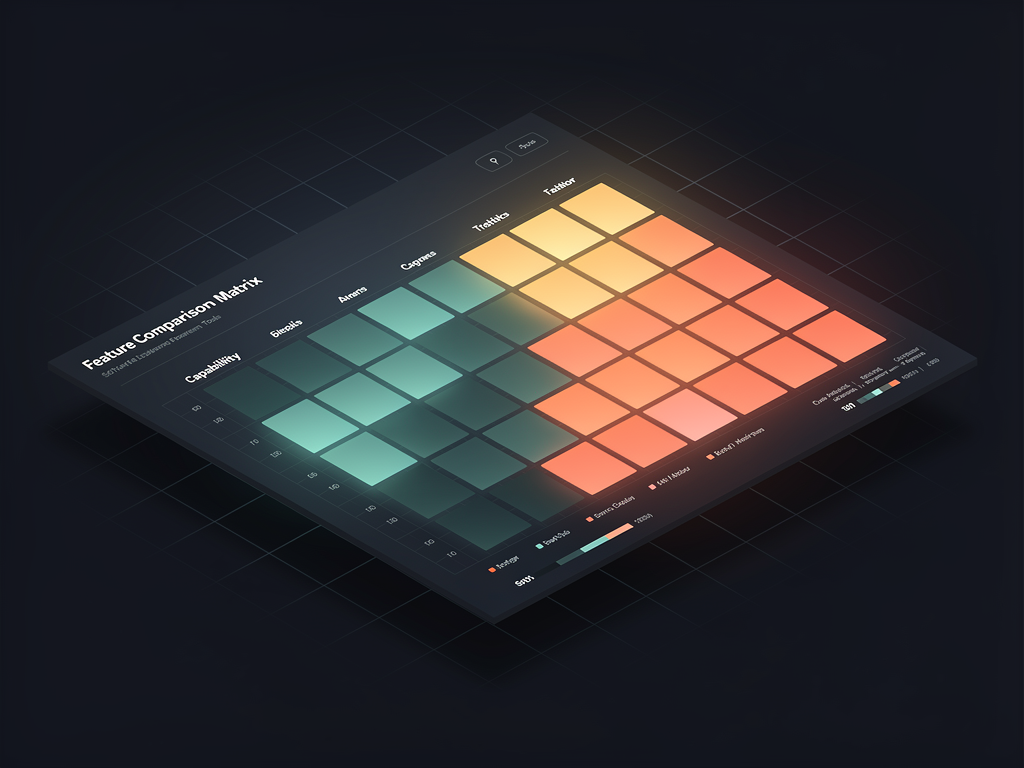
| Feature | NextBuilder | Supastarter | ShipFast | Free Starters |
|---|---|---|---|---|
| Multi-Tenancy | Full with custom domains | Full RBAC | Limited | None |
| Custom Subdomains | Yes with SSL | Yes | No | No |
| Authentication | NextAuth 5.0 (dual auth) | better-auth | NextAuth | Varies |
| Payment Providers | Stripe + extensible | 5 providers | Stripe, LemonSqueezy | Basic Stripe |
| Self-Hosting Guide | Yes (Hetzner + Coolify) | Docker, Fly.io | Vercel only | Varies |
| Email Marketing | Built-in campaign builder | Yes | Basic | No |
| Affiliate Program | Built-in | No | No | No |
| Team Permissions | 5 levels | Full RBAC | Basic | None |
| Best For | No-code platforms | General SaaS | Quick MVPs | Learning |
For founders building no-code platforms or multi-tenant applications where clients create their own apps, NextBuilder provides the most comprehensive foundation with its dual authentication system, custom subdomain support, and built-in monetization features. The included self-hosting guide enables enterprise-grade infrastructure at minimal cost.
For general SaaS applications without complex multi-tenancy requirements, options like SaaSCore offer solid foundations with modern authentication and payment integration. These solutions work well for applications serving individual users or simple team structures.
Free and open-source starters like the official Vercel SaaS Starter or T3 Stack provide learning opportunities and basic foundations but typically require significant additional development to reach production readiness. They are best suited for developers who want to understand every component of their stack and have time to build missing functionality.
Implementation Best Practices After Selecting Your Boilerplate
Choosing a boilerplate is only the first step. How you implement and customize it determines whether you realize the promised time savings or create technical debt that slows future development. Following best practices from the start establishes patterns that scale with your application.
Start with the demo application before making any modifications. Understanding how the boilerplate works in its default state helps you distinguish between bugs you introduced and issues in the boilerplate itself. Run through all user flows, test edge cases, and verify that features work as documented.
Version control from day one with meaningful commit messages creates a history that helps you understand what changed and why. Your initial commit should be the unmodified boilerplate, followed by commits for each customization. This approach makes it easier to incorporate boilerplate updates and debug issues that arise from your modifications.
Environment configuration should be set up properly before writing any code. Copy the example environment file, fill in all required values, and verify that local development works correctly. Missing or incorrect environment variables cause confusing errors that waste debugging time.
Customize branding early to make the application feel like yours. Update colors, logos, fonts, and copy throughout the application. This psychological ownership motivates continued development and helps you evaluate the application as users will experience it rather than as a generic template.
Remove unused features rather than leaving them dormant in your codebase. Unused code creates maintenance burden, increases bundle sizes, and confuses future developers (including your future self). If you do not need the blog functionality, remove it. If you are not using the affiliate program, delete it. A lean codebase is easier to understand and maintain.
Document your customizations in a project-specific README or documentation folder. When you modify boilerplate behavior or add new patterns, record what you changed and why. This documentation proves invaluable when onboarding new team members or returning to the project after time away.
Conclusion
Selecting the right Next.js SaaS template for your project in 2026 requires balancing immediate needs against long-term scalability, evaluating feature claims against actual implementation quality, and understanding how architectural decisions will affect your development velocity for months or years to come. The boilerplate market has matured significantly, offering options ranging from free open-source starters to comprehensive commercial solutions with enterprise-grade features.
For founders building multi-tenant platforms, no-code solutions, or applications where clients need their own branded presence, investing in a purpose-built multi-tenant boilerplate pays dividends immediately and compounds over time. The complexity of custom subdomains, dual authentication systems, and tiered permission models makes these features particularly valuable when included out of the box.
The decision ultimately comes down to the value of your time. If a $500 boilerplate saves 200 hours of development work, you are effectively paying $2.50 per hour for expert-level implementation of complex features. For most founders, that tradeoff is overwhelmingly favorable. The key is selecting a boilerplate that genuinely delivers on its promises, maintains active development, and aligns with your specific technical requirements and business goals.
Frequently Asked Questions
How Much Time Does a Next.js Boilerplate Actually Save?
The time savings from a quality boilerplate typically range from 400 to 800 hours depending on the features included and your existing expertise. Authentication implementation alone requires 40 to 80 hours when built from scratch, including OAuth integration, session management, password reset flows, and security hardening. Payment integration adds another 40 to 60 hours for subscription management, webhook handling, and billing portal functionality. Multi-tenant architecture with custom subdomains can require 100 or more hours of specialized development. When you factor in testing, edge case handling, and security auditing, the cumulative savings justify boilerplate costs many times over. However, these savings only materialize if you choose a boilerplate that matches your requirements. A boilerplate lacking features you need forces you to build them anyway, reducing the effective time savings.
Should I Use a Free Boilerplate or Pay for a Premium Option?
The choice between free and premium boilerplates depends on your project requirements and timeline. Free options like the Vercel SaaS Starter or T3 Stack provide solid foundations for learning and simple projects but typically lack advanced features like multi-tenancy, comprehensive payment integration, and ongoing support. They work well for MVPs where you plan to rebuild later or for developers who want complete control over every component. Premium boilerplates justify their cost through time savings, feature completeness, and ongoing maintenance. For a production SaaS where time-to-market matters, spending $200 to $1000 on a boilerplate that saves weeks of development time represents an excellent return on investment. The key factors to consider are your budget, timeline, technical expertise, and whether the premium features align with your actual needs.
Can I Switch Boilerplates After Starting Development?
Switching boilerplates mid-project is possible but involves significant effort that increases with project complexity. Early-stage migrations (within the first few weeks) are relatively straightforward since you have less custom code to port. Late-stage migrations require careful planning for database schema differences, authentication system changes, and feature parity gaps. The most challenging aspects typically involve user data migration (especially password hashes and session tokens), payment subscription transfers, and recreating custom functionality built on top of the original boilerplate's patterns. To minimize migration pain, document your customizations thoroughly, maintain clean separation between boilerplate code and your additions, and consider the migration path before committing to any boilerplate. Some founders choose to run parallel systems during transition, gradually migrating users rather than performing a single cutover.
How Do I Evaluate if a Boilerplate Is Actively Maintained?
Several indicators reveal whether a boilerplate receives active maintenance. Check the GitHub repository (or equivalent) for recent commits, with activity within the past three months being a positive sign. Review the issues and pull requests to see if the maintainer responds to bug reports and feature requests. Examine the changelog for version history showing regular updates, particularly updates that address new Next.js or React versions. Look for community activity in Discord servers, forums, or social media where users discuss the boilerplate. Read recent reviews and testimonials to understand current user experiences rather than relying on older endorsements. Finally, consider the maintainer's business model. Boilerplates that generate ongoing revenue through sales or subscriptions have stronger incentives for continued development than abandoned side projects.
What Features Are Essential Versus Nice-to-Have for SaaS Boilerplates?
Essential features that every production SaaS boilerplate must include are authentication with multiple providers and secure session management, payment integration with subscription lifecycle handling (not just checkout), database setup with migrations and type-safe queries, email delivery for transactional messages, and deployment configuration for at least one production environment. Nice-to-have features that add value but can be added later include admin dashboards, analytics integration, team collaboration, marketing email campaigns, affiliate programs, and AI coding assistant support. Multi-tenancy falls into the essential category only if your business model requires it. Retrofitting multi-tenancy into a single-tenant application is extremely difficult, so if you anticipate needing it, choose a boilerplate with native support from the start rather than planning to add it later.
How Do Self-Hosting Options Affect Long-Term Costs?
Self-hosting can reduce infrastructure costs by 80% or more compared to managed platforms, but requires operational expertise and time investment. A typical Vercel deployment for a moderate-traffic SaaS might cost $50 to $200 per month for hosting plus $20 to $100 for managed database services. The same application self-hosted on a Hetzner VPS with Coolify might cost $15 to $30 per month total. However, self-hosting requires you to handle server updates, security patches, backups, and incident response. For solo founders or small teams with technical expertise, the cost savings are substantial and the operational burden is manageable. For teams without infrastructure experience or those prioritizing development speed over cost optimization, managed platforms provide better value despite higher prices. Boilerplates that include self-hosting guides lower the barrier to this cost-effective approach by providing tested configurations and deployment procedures.
Ready to Build Your Multi-Tenant SaaS Platform?
Stop spending months on infrastructure and start building your actual product. NextBuilder provides everything you need to launch a production-ready no-code platform in days, not months. With built-in multi-tenant architecture, custom subdomains with automatic SSL, dual authentication systems, and a complete self-hosting guide that keeps your costs under $15 per month, NextBuilder is the foundation that serious SaaS founders choose. View the demo today and see why developers are saving 600+ hours on their platform builds.
Subscribe to our newsletter
Subscribe to our newsletter and stay up-to-date with the latest news and updates.