Next.js Starter Kit: Build SaaS with Authentication, Payments & Multi-Tenancy
Discover how a Next.js starter kit can accelerate your SaaS development by providing essential components like authentication, payments, and multi-tenancy. Learn strategies to save time and avoid technical debt while ensuring robust security and scalability.

Zakariae

Building a production-ready SaaS application from scratch is a monumental undertaking that can consume months of development time before you even reach your first paying customer. The modern web development landscape demands robust authentication systems, seamless payment processing, and sophisticated multi-tenancy architectures, all of which require extensive expertise and countless hours of implementation. This is precisely where a well-architected Next.js starter kit becomes invaluable, providing the foundational infrastructure that transforms your development timeline from months to days.
Whether you are a solo founder bootstrapping your first product, a web agency building white-label solutions for clients, or an enterprise team launching internal tools, understanding the essential components of a comprehensive starter kit can mean the difference between successful launch and endless technical debt. In this comprehensive guide, we will explore the three pillars that define exceptional SaaS foundations: authentication, payments, and multi-tenancy. We will examine implementation strategies, common pitfalls, and how to evaluate starter kits that can accelerate your path to market.
Key Takeaways
- Authentication complexity extends far beyond login forms, encompassing session management, role-based access control, social OAuth providers, and security best practices that require significant expertise to implement correctly.
- Payment integration involves more than connecting Stripe, requiring webhook handling, subscription lifecycle management, failed payment recovery, and compliance considerations that can derail unprepared teams.
- Multi-tenancy architecture decisions made early fundamentally shape your application's scalability, data isolation, and customization capabilities for years to come.
- A comprehensive SaaS boilerplate can save 600+ hours of development time by providing pre-built, production-tested implementations of these core systems.
- Self-hosting capabilities offer significant cost savings and data sovereignty benefits, particularly for enterprise clients with strict compliance requirements.
- The right Next.js boilerplate provides both flexibility and structure, allowing customization while enforcing patterns that prevent common architectural mistakes.
Understanding the Modern SaaS Development Landscape
The expectations for SaaS applications have evolved dramatically over the past decade. Users now demand enterprise-grade security, seamless onboarding experiences, and flexible billing options as baseline requirements rather than premium features. According to industry reports, the average SaaS application requires integration with 15 to 20 external services before reaching minimum viable product status. This complexity creates a significant barrier to entry for founders and development teams who want to focus on their unique value proposition rather than rebuilding common infrastructure.
The Next.js framework has emerged as the dominant choice for SaaS development due to its exceptional developer experience, built-in performance optimizations, and flexible rendering strategies. However, Next.js itself provides only the foundational web framework, leaving teams to implement authentication, payments, database integration, and multi-tenancy from scratch. This is where the strategic selection of a SaaS starter kit becomes crucial to project success.
Modern starter kits have evolved beyond simple boilerplate code to become comprehensive platforms that include not just code but also documentation, deployment guides, and ongoing updates. The best options provide production-tested implementations that have been refined through real-world usage across hundreds of projects. When evaluating options, teams should consider not just the initial feature set but also the long-term maintenance burden and the quality of the underlying architecture.
The financial impact of choosing the right foundation cannot be overstated. Development teams report saving between 400 and 800 hours of initial development time when using comprehensive starter kits compared to building from scratch. More importantly, the ongoing maintenance burden decreases significantly when working with well-architected code that follows established patterns and best practices. This time savings translates directly to faster market entry and reduced burn rate during the critical early stages of product development.
Authentication: The Foundation of User Trust
Authentication represents the first interaction users have with your application's security model, and first impressions matter enormously in building trust. A poorly implemented authentication system not only frustrates users but also exposes your application to security vulnerabilities that can destroy your business overnight. The scope of modern authentication extends far beyond simple username and password verification to encompass a complex ecosystem of identity management, session handling, and access control.
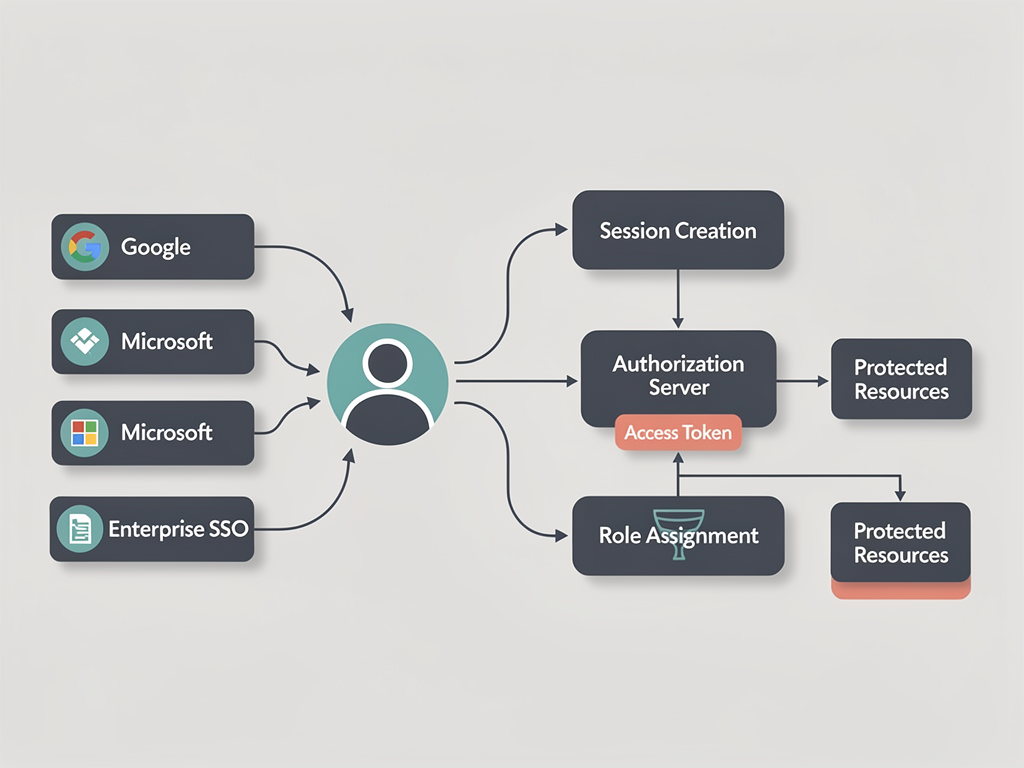
The fundamental authentication flow in a Next.js SaaS template typically begins with multiple entry points: email and password registration, magic link authentication, and social OAuth providers like Google, GitHub, and Apple. Each of these methods requires distinct implementation approaches, error handling strategies, and user experience considerations. Social authentication alone requires managing OAuth callback URLs, token exchange flows, and account linking scenarios where users may attempt to sign in with different providers at different times.
Session management presents another layer of complexity that many teams underestimate. Modern applications must balance security requirements with user convenience, implementing features like persistent sessions, device management, and automatic session refresh without creating vulnerabilities. The choice between JWT tokens and database-backed sessions involves tradeoffs around scalability, revocation capabilities, and storage requirements that have lasting implications for your architecture.
Role-based access control (RBAC) adds yet another dimension to authentication systems. SaaS applications typically require multiple permission levels, from basic users to team administrators to platform super-admins. Implementing RBAC correctly requires careful consideration of permission inheritance, resource-level access control, and audit logging for compliance purposes. A well-designed multi-tenant platform authentication system must handle these complexities while remaining maintainable and extensible as your product evolves.
Implementing Secure Authentication Patterns
Security best practices for authentication have evolved significantly in response to increasingly sophisticated attack vectors. Password hashing must use modern algorithms like Argon2 or bcrypt with appropriate cost factors that balance security against computational overhead. Rate limiting on authentication endpoints protects against brute force attacks while remaining invisible to legitimate users. CSRF protection, secure cookie configuration, and proper CORS policies form the baseline security posture that every SaaS application must maintain.
Multi-factor authentication (MFA) has transitioned from a premium feature to an expected capability, particularly for B2B SaaS applications where security requirements are stringent. Implementing MFA correctly requires supporting multiple second-factor options including authenticator apps (TOTP), SMS verification, and hardware security keys. Each method has distinct user experience implications and security characteristics that must be carefully balanced. Recovery flows for lost second factors add another layer of complexity that can create support burden if not designed thoughtfully.
Email verification workflows deserve particular attention because they directly impact user activation rates and deliverability reputation. The verification email must be sent reliably, arrive quickly, and provide clear instructions for completion. Handling edge cases like expired verification links, multiple verification attempts, and email address changes requires careful state management and clear user communication. Many teams discover too late that their email verification implementation creates friction that significantly impacts conversion rates.
Password reset functionality presents similar challenges with higher security stakes. Reset tokens must be single-use, time-limited, and cryptographically secure. The reset flow must prevent account enumeration attacks while providing helpful feedback to legitimate users. Notification emails for password changes help users detect unauthorized access attempts. These seemingly simple features require thoughtful implementation to balance security requirements against user experience expectations.
Security Tip: Always implement account lockout policies that temporarily disable accounts after repeated failed authentication attempts. This simple measure prevents the vast majority of automated credential stuffing attacks while causing minimal friction for legitimate users who simply mistype their passwords.
Payment Processing: Converting Users to Customers
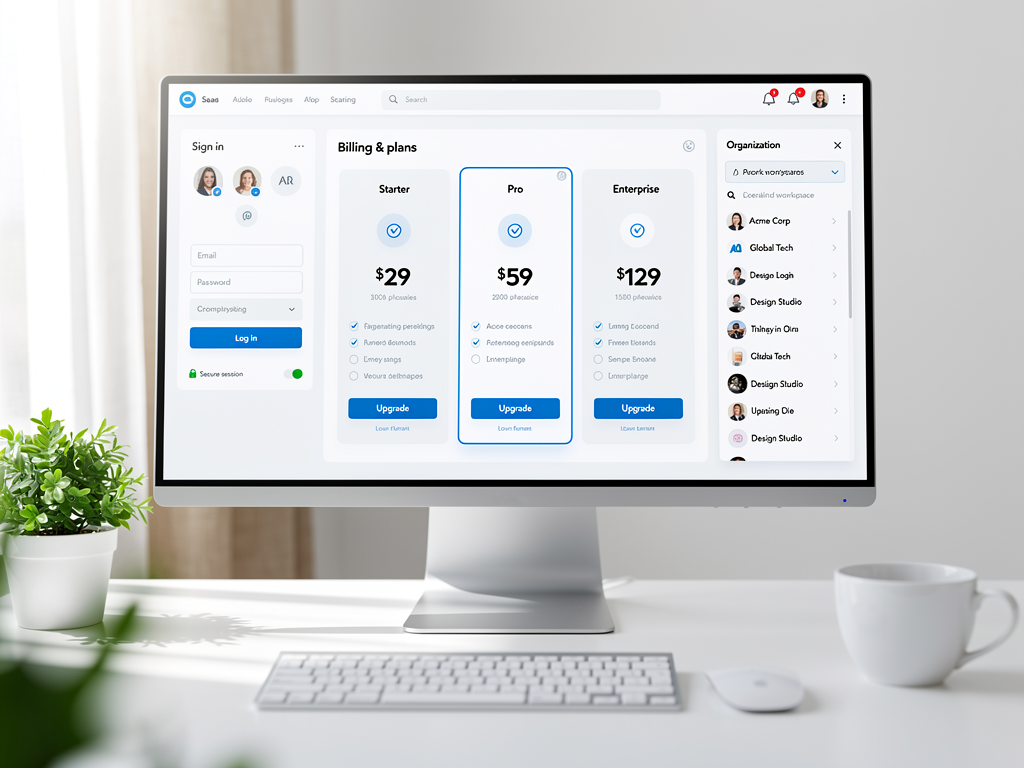
Payment integration represents the revenue engine of your SaaS business, making it simultaneously the most critical and most complex system to implement correctly. The surface area of payment processing extends far beyond simply collecting credit card numbers to encompass subscription lifecycle management, usage-based billing, tax compliance, and revenue recognition. Mistakes in payment implementation directly impact your bottom line through failed transactions, customer churn, and compliance violations.
The choice of payment provider significantly influences your implementation complexity and available features. Stripe has emerged as the dominant choice for SaaS applications due to its comprehensive API, excellent documentation, and extensive feature set. However, alternatives like Lemon Squeezy, Paddle, and Creem offer merchant-of-record services that handle tax compliance and international payments, reducing operational burden at the cost of higher transaction fees. Some applications benefit from supporting multiple payment providers to offer customers flexibility and reduce single-vendor dependency.
Subscription management involves tracking a complex state machine of plan changes, billing cycles, trial periods, and cancellation flows. Users expect to upgrade or downgrade plans seamlessly with prorated billing adjustments. Trial periods must convert smoothly to paid subscriptions while providing clear communication about upcoming charges. Cancellation flows should balance retention efforts against user experience, offering pause options or downgrade paths without creating dark patterns that damage trust.
Webhook handling represents the backend of payment processing where reliability is paramount. Payment providers communicate subscription changes, successful payments, and failed transactions through webhooks that must be processed reliably even during application deployments or temporary outages. Implementing idempotent webhook handlers, proper signature verification, and retry logic prevents the data synchronization issues that plague many SaaS applications. The consequences of missed webhooks range from users losing access despite successful payment to continued access after failed payment.

Advanced Payment Strategies and Monetization
Beyond basic subscription billing, modern SaaS applications increasingly implement sophisticated monetization strategies that require flexible payment infrastructure. Usage-based billing tracks consumption of resources like API calls, storage, or compute time and charges customers accordingly. This model aligns costs with value delivered but requires accurate metering, clear usage dashboards, and thoughtful overage handling to prevent bill shock that damages customer relationships.
Tiered pricing with feature gating allows applications to serve multiple market segments with a single product. Implementing feature flags that respect subscription tiers requires integration between your payment system and application logic. The paywall components must clearly communicate value while providing smooth upgrade paths. Getting this balance right directly impacts conversion rates and average revenue per user, making it worth significant investment in user experience design.
Failed payment recovery represents a significant revenue opportunity that many teams overlook. Industry data suggests that 10 to 15 percent of subscription payments fail due to expired cards, insufficient funds, or bank declines. Implementing intelligent retry logic, dunning email sequences, and easy card update flows can recover a substantial portion of this otherwise lost revenue. The best implementations make payment recovery invisible to customers whose cards are simply updated while providing clear communication to those requiring action.
International payment considerations add complexity for applications serving global markets. Currency conversion, local payment methods, and varying tax requirements create operational challenges that scale with geographic expansion. Merchant-of-record services handle much of this complexity but at higher cost. Applications targeting specific international markets may benefit from direct integration with local payment providers that offer better conversion rates and lower fees for those regions.
Multi-Tenancy: Scaling Your Platform Architecture
Multi-tenancy architecture enables a single application instance to serve multiple customers (tenants) while maintaining data isolation and customization capabilities. This architectural pattern is fundamental to SaaS economics, allowing you to amortize infrastructure and development costs across your entire customer base. However, the implementation approach you choose has profound implications for scalability, security, and the types of customization you can offer customers.
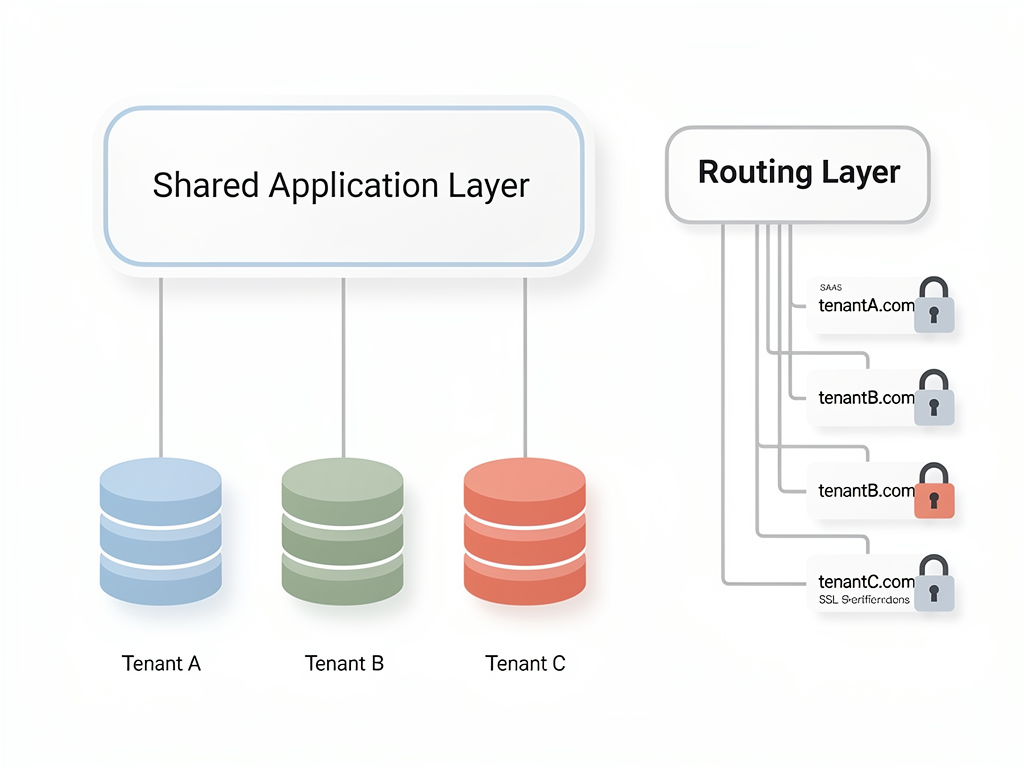
The spectrum of multi-tenancy approaches ranges from completely shared infrastructure to fully isolated deployments. At one extreme, all tenants share the same database tables with tenant identification columns providing logical separation. This approach minimizes infrastructure costs and simplifies deployment but limits customization options and creates potential for noisy neighbor problems where one tenant's heavy usage impacts others. At the other extreme, each tenant receives dedicated database instances or even dedicated application deployments, maximizing isolation at significantly higher cost and operational complexity.
Most SaaS applications benefit from a hybrid approach that provides logical isolation at the application layer with the option for dedicated resources for enterprise customers. This multi-tenant boilerplate architecture typically uses a shared database with strict tenant scoping on all queries, combined with the ability to provision dedicated infrastructure for customers with specific compliance or performance requirements. The key is designing your data model and query patterns from the beginning to support this flexibility.
Custom domains and subdomains represent a visible manifestation of multi-tenancy that significantly impacts perceived value for customers. Allowing tenants to use their own domains (like app.customer.com) or branded subdomains (like customer.yourplatform.com) requires SSL certificate management, DNS configuration, and request routing logic. Automated SSL provisioning through services like Let's Encrypt has made custom domain support more accessible, but the implementation still requires careful attention to certificate renewal, domain verification, and error handling.
Data Isolation and Security in Multi-Tenant Systems
Data isolation in multi-tenant systems requires defense in depth, implementing multiple layers of protection to prevent unauthorized cross-tenant data access. At the database level, this means ensuring that every query includes appropriate tenant scoping, either through application logic or database-level row security policies. ORMs and query builders should be configured to automatically apply tenant filters, reducing the risk of developer error creating security vulnerabilities.
Row-level security (RLS) policies in PostgreSQL provide database-enforced tenant isolation that cannot be bypassed by application bugs. When properly configured, RLS ensures that even direct database queries can only access data belonging to the current tenant context. This approach provides strong security guarantees but requires careful implementation to avoid performance impacts and to handle administrative scenarios where cross-tenant access is legitimately required.
File storage and media assets require separate consideration for tenant isolation. When using cloud storage services like S3 or R2, organizing files into tenant-specific prefixes or buckets prevents accidental cross-tenant access. Presigned URLs for file access should include tenant verification to prevent URL sharing from creating security vulnerabilities. Backup and disaster recovery procedures must maintain tenant isolation while providing the ability to restore individual tenant data when needed.
Audit logging becomes particularly important in multi-tenant systems where you must be able to demonstrate data isolation for compliance purposes. Comprehensive logging of data access, modifications, and administrative actions provides the evidence needed for security audits and incident investigation. The logging infrastructure itself must be designed to prevent tenants from accessing each other's audit trails while providing platform administrators with the visibility needed for support and security monitoring.
Architecture Principle: Design your multi-tenant system assuming that any single layer of isolation might fail. Database-level RLS, application-level tenant scoping, and API-level authorization should each independently prevent cross-tenant data access. This defense-in-depth approach ensures that a bug in one layer does not create a security incident.
Building Team Collaboration Features
Modern SaaS applications rarely serve individual users in isolation. Instead, they support teams and organizations with complex collaboration requirements. Implementing team functionality requires careful consideration of invitation flows, permission models, and shared resource management. The user experience of team collaboration significantly impacts adoption, particularly in B2B contexts where purchasing decisions involve multiple stakeholders.
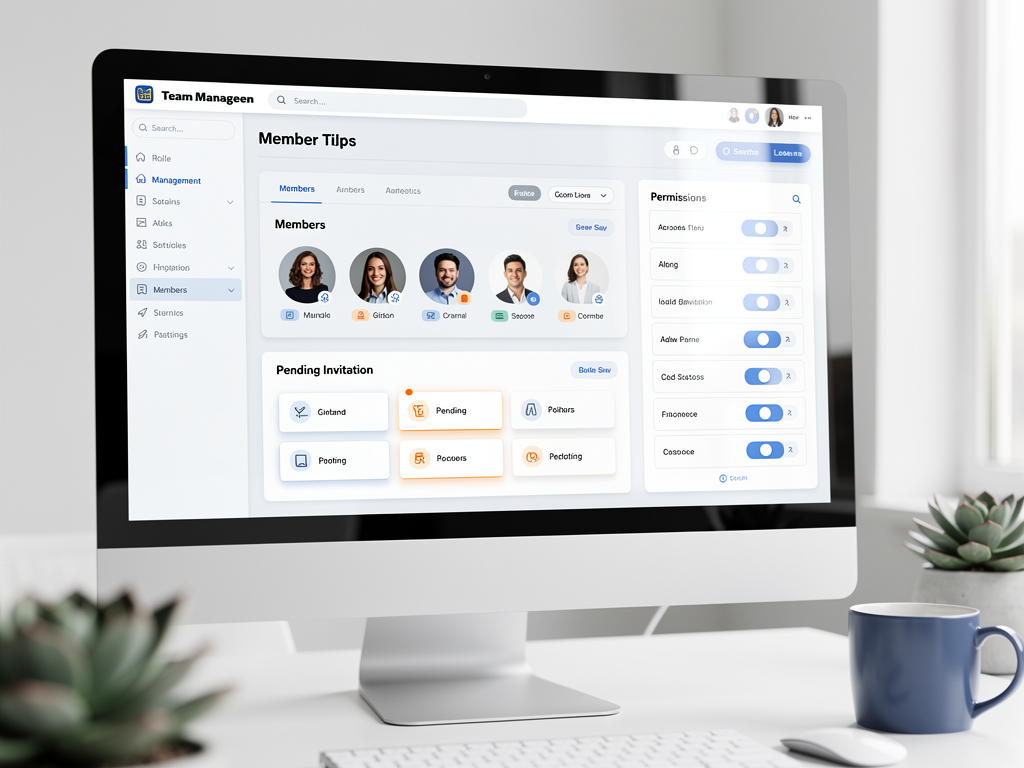
Invitation systems must handle multiple scenarios gracefully: inviting existing platform users to join a team, inviting new users who must create accounts, and handling invitations to email addresses that may later be associated with different accounts. Each scenario requires distinct flows and edge case handling. Invitation expiration, revocation, and resending add additional complexity. The best implementations make team building feel effortless while handling these complexities invisibly.
Permission models for team collaboration typically involve multiple roles with different capability sets. Common patterns include owner, admin, and member roles with progressively restricted permissions. More sophisticated applications implement granular permissions that can be customized per team or even per resource. The challenge lies in making permissions powerful enough for complex organizational needs while remaining understandable for users who simply want to collaborate with colleagues.
Resource sharing within teams requires clear ownership and access models. When a team member creates content or configures settings, the system must determine whether those resources belong to the individual or the team. Handling team member departure, including transferring ownership of resources and revoking access appropriately, prevents both data loss and security issues. These scenarios are easy to overlook during initial development but create significant support burden if not handled correctly.
Evaluating and Selecting the Right Starter Kit
The market for Next.js SaaS template options has expanded significantly, ranging from free open-source projects to comprehensive commercial offerings. Evaluating these options requires looking beyond feature checklists to assess code quality, documentation depth, and long-term maintainability. The cheapest option often proves most expensive when hidden costs of poor architecture emerge months into development.
Code quality indicators include consistent coding standards, comprehensive TypeScript typing, and thoughtful abstraction layers. Examine how the starter kit handles cross-cutting concerns like error handling, logging, and configuration management. Well-architected code separates business logic from framework-specific implementation, making future migrations or refactoring manageable. Poor architecture creates technical debt that compounds over time, eventually requiring expensive rewrites.
Documentation quality directly impacts your team's productivity and onboarding efficiency. Look for starter kits with comprehensive setup guides, architecture explanations, and customization tutorials. The best documentation anticipates common questions and provides clear answers. Community resources like Discord servers or forums indicate active development and available support. Sparse documentation suggests either immature projects or maintainers who prioritize shipping features over enabling users.
Update frequency and backward compatibility policies matter for long-term maintenance. Active projects release regular updates addressing security vulnerabilities, dependency updates, and new features. However, updates that break existing implementations create upgrade burden that can consume significant development time. The ideal starter kit provides clear migration guides and maintains reasonable backward compatibility while still evolving to incorporate new best practices.
| Evaluation Criteria | Questions to Ask | Red Flags |
|---|---|---|
| Code Quality | Is TypeScript used throughout? Are there comprehensive tests? | JavaScript-only, no test coverage, inconsistent patterns |
| Documentation | Can you complete setup without external help? | README-only docs, outdated screenshots, broken links |
| Community | Are questions answered promptly? Is the maintainer responsive? | Abandoned Discord, unanswered GitHub issues |
| Architecture | Does the structure support your scaling needs? | Monolithic design, hard-coded configurations |
| Licensing | Can you use it for multiple projects? Are there recurring fees? | Per-project licensing, mandatory subscriptions |
Self-Hosting Considerations and Cost Optimization
The deployment model for your SaaS application significantly impacts both operational costs and the types of customers you can serve. While managed platforms like Vercel offer exceptional developer experience and automatic scaling, the costs can become substantial as your application grows. Self-hosting provides cost predictability and data sovereignty that some customers require, but introduces operational complexity that must be carefully managed.
Modern self-hosting has become significantly more accessible through tools like Coolify, which provide Vercel-like deployment experiences on your own infrastructure. Combined with cost-effective hosting providers like Hetzner, teams can achieve enterprise-grade hosting for a fraction of managed platform costs. A well-documented self-hosting guide for SaaS platforms can reduce monthly infrastructure costs from hundreds of dollars to under twenty dollars while maintaining professional deployment workflows.
Database hosting decisions involve similar tradeoffs between managed services and self-hosted options. Services like Neon and Supabase provide excellent developer experience with generous free tiers, making them ideal for early-stage projects. As data volumes and query complexity grow, self-hosted PostgreSQL on dedicated servers may offer better performance at lower cost. The key is choosing a starter kit that supports multiple database providers, allowing you to migrate as your needs evolve.
Data sovereignty requirements increasingly influence hosting decisions, particularly for B2B applications serving regulated industries. Healthcare, finance, and government customers often require data to remain within specific geographic regions or on infrastructure they control. Supporting these requirements from the beginning, even if not immediately needed, positions your application for enterprise sales that might otherwise be impossible. Self-hosting capabilities transform potential deal-breakers into competitive advantages.

Email Systems and User Communication
Email remains the primary communication channel between SaaS applications and their users, making reliable email infrastructure essential for user engagement and retention. Transactional emails like password resets and verification links must arrive quickly and reliably. Marketing emails for product updates and engagement campaigns require different infrastructure optimized for deliverability at scale. Building comprehensive email capabilities from scratch requires significant investment that starter kits can eliminate.
Transactional email providers like Resend, Postmark, and SendGrid specialize in high-deliverability email for application-generated messages. These services provide detailed delivery analytics, bounce handling, and reputation management that would be impossible to replicate with self-hosted email servers. Integration typically involves API calls for sending and webhook endpoints for delivery status updates. The choice of provider should consider pricing at your expected volume, available features, and integration complexity.
Email template management deserves careful attention because poorly designed emails damage brand perception and reduce engagement. Modern approaches use React Email or similar tools to create responsive, well-designed templates that render correctly across email clients. Internationalization support ensures that users receive emails in their preferred language. Preview tools during development catch rendering issues before they reach users. A comprehensive starter kit includes pre-built templates for common scenarios that can be customized to match your brand.
Marketing email capabilities enable ongoing user engagement beyond transactional messages. Newsletter systems, drip campaigns, and product announcement emails keep users informed and engaged. Building these capabilities requires list management, unsubscribe handling, and compliance with regulations like CAN-SPAM and GDPR. While dedicated email marketing platforms offer sophisticated features, integrated email marketing within your application provides seamless user experience and unified analytics.
Analytics, Monitoring, and Operational Excellence
Understanding how users interact with your application drives product decisions and identifies issues before they impact customer satisfaction. Analytics infrastructure must capture user behavior, application performance, and business metrics while respecting privacy requirements. The challenge lies in collecting enough data to make informed decisions without overwhelming your team with noise or creating privacy compliance issues.
Product analytics tools like PostHog, Mixpanel, or Amplitude track user behavior patterns that inform feature development and identify friction points. Event tracking should capture meaningful actions rather than every click, focusing on conversion funnels, feature adoption, and engagement metrics. Privacy-focused analytics options have emerged in response to GDPR and similar regulations, offering insights without individual user tracking. The right approach depends on your market, customer expectations, and compliance requirements.
Application performance monitoring (APM) tools like Sentry provide visibility into errors, performance issues, and system health. Capturing errors with full context enables rapid debugging without requiring users to report issues. Performance tracking identifies slow endpoints and database queries before they impact user experience. Alert configuration ensures that critical issues receive immediate attention while avoiding alert fatigue from minor fluctuations.
Business metrics dashboards aggregate data from multiple sources to provide executive visibility into company health. Monthly recurring revenue, churn rate, customer acquisition cost, and lifetime value calculations inform strategic decisions. Building these dashboards requires integration between your payment system, user database, and analytics tools. Real-time admin dashboards within your application provide immediate visibility without requiring external business intelligence tools.

Building for Scale: Performance and Optimization
Performance optimization in Next.js applications involves multiple layers from build configuration to runtime caching strategies. The framework provides excellent defaults, but production applications require additional optimization to handle traffic spikes and maintain responsive user experiences. Understanding where performance bottlenecks typically occur enables proactive optimization rather than reactive firefighting.
Server-side rendering (SSR) and static site generation (SSG) decisions significantly impact both performance and infrastructure costs. Pages that can be statically generated at build time offer the best performance and lowest serving costs. Dynamic pages requiring real-time data benefit from incremental static regeneration (ISR) or streaming SSR depending on freshness requirements. The optimal strategy varies by page type, with marketing pages typically static and application pages dynamic.
Database query optimization becomes critical as data volumes grow. Proper indexing, query analysis, and caching strategies prevent database bottlenecks that degrade user experience. Connection pooling ensures efficient use of database resources under concurrent load. Read replicas can offload reporting queries from production databases. The ORM or query builder you choose should provide visibility into generated queries and support for optimization techniques.
Caching strategies at multiple levels dramatically improve performance and reduce infrastructure costs. CDN caching for static assets and API responses reduces origin server load. Application-level caching with Redis or similar stores prevents repeated expensive computations. Browser caching with appropriate cache headers reduces network requests. The challenge lies in cache invalidation, ensuring that users see fresh data when it changes while still benefiting from caching when data is unchanged.
Compliance, Security, and Enterprise Readiness
Enterprise customers increasingly require vendors to demonstrate security practices and compliance with relevant regulations. Building these capabilities from the beginning positions your application for upmarket sales that might otherwise require extensive retrofitting. Even if your initial customers do not require formal compliance, implementing security best practices protects your business and builds trust with all customers.
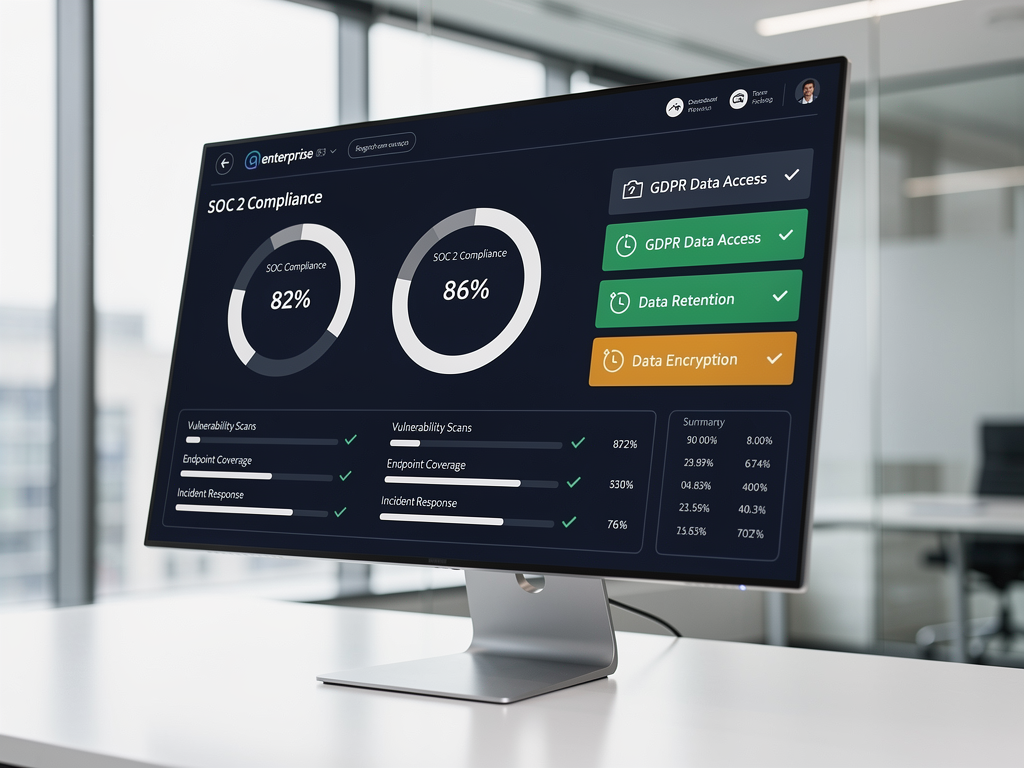
SOC 2 compliance has become the de facto standard for B2B SaaS applications, requiring documented security controls across five trust service criteria. While formal certification requires third-party audits, implementing the underlying controls from the beginning makes eventual certification straightforward. Key areas include access control, encryption, monitoring, and incident response procedures. A well-architected starter kit implements many of these controls by default.
GDPR and similar privacy regulations require specific capabilities including data export, deletion requests, and consent management. Implementing these features reactively after launch creates significant technical debt and potential compliance violations. Privacy-by-design approaches build these capabilities into the application architecture from the beginning. User data management interfaces, audit logging, and data retention policies should be considered core features rather than afterthoughts.
Security scanning and vulnerability management protect against known attack vectors. Dependency scanning identifies vulnerable packages requiring updates. Static analysis tools catch common security mistakes in your code. Penetration testing by qualified professionals identifies vulnerabilities that automated tools miss. Establishing these practices early creates a security culture that scales with your team and protects against increasingly sophisticated threats.
The Developer Experience Advantage
Developer experience directly impacts team productivity, code quality, and ultimately the speed at which you can ship features to customers. A well-designed SaaS starter kit provides not just code but also tooling, workflows, and conventions that make development enjoyable and efficient. Investing in developer experience pays dividends throughout the lifetime of your project.
Local development setup should be straightforward, ideally requiring only a few commands to have a fully functional development environment. Docker Compose configurations for local services, seed data for testing, and hot reload for rapid iteration all contribute to productive development workflows. The time from cloning a repository to making meaningful changes indicates the quality of developer experience investment.
Type safety through comprehensive TypeScript usage catches errors at compile time rather than runtime. End-to-end type safety from database schema through API layer to frontend components eliminates entire categories of bugs. Tools like Prisma or Drizzle ORM provide type-safe database access, while tRPC or similar libraries extend type safety to API calls. The initial investment in type safety pays dividends through reduced debugging time and increased refactoring confidence.
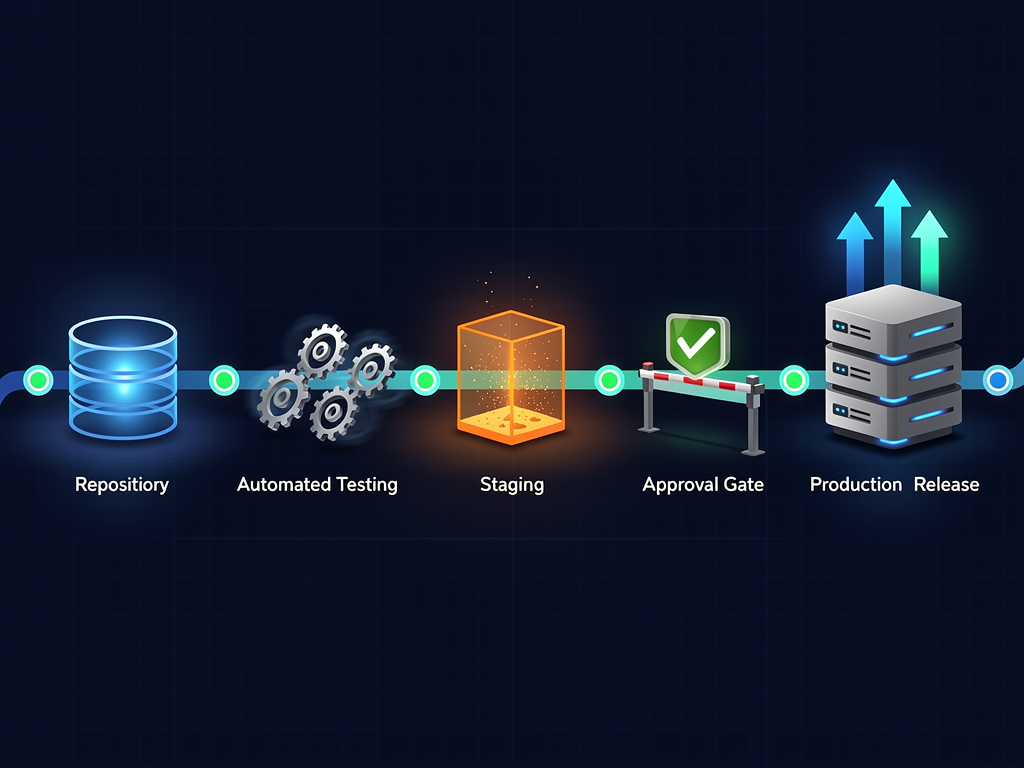
Testing infrastructure enables confident changes without fear of regressions. Unit tests for business logic, integration tests for API endpoints, and end-to-end tests for critical user flows each serve different purposes. The starter kit should include testing setup and example tests that demonstrate patterns for your specific architecture. Continuous integration pipelines that run tests automatically prevent broken code from reaching production.

Launching Your Platform: From Development to Production
The transition from development to production involves numerous considerations beyond simply deploying code. Production readiness encompasses performance optimization, security hardening, monitoring setup, and operational procedures that ensure reliable service for your customers. Rushing this transition creates technical debt that compounds over time and damages customer trust.
Pre-launch checklists help ensure nothing is overlooked in the excitement of shipping. Security review should verify that authentication, authorization, and data protection are correctly implemented. Performance testing under realistic load identifies bottlenecks before customers encounter them. Backup and disaster recovery procedures should be tested, not just documented. Legal review of terms of service and privacy policy protects your business from liability.
Gradual rollout strategies reduce risk when launching new features or making significant changes. Feature flags enable controlled exposure to new functionality, starting with internal users or beta testers before general availability. Canary deployments route a small percentage of traffic to new versions, enabling quick rollback if issues emerge. Blue-green deployments provide instant rollback capability for more significant changes. These strategies require infrastructure support that should be considered during starter kit selection.
Post-launch monitoring ensures that issues are detected and addressed quickly. Error tracking, performance monitoring, and business metric dashboards provide visibility into system health. On-call procedures and incident response playbooks ensure that problems receive appropriate attention regardless of when they occur. Customer communication templates for outages and incidents maintain trust even when things go wrong.
Conclusion
Building a successful SaaS application requires mastery of authentication, payments, and multi-tenancy, three pillars that form the foundation of every subscription-based platform. Each of these areas involves significant complexity that can consume months of development time when built from scratch. The strategic selection of a comprehensive nextjs starter kit transforms this challenge from an obstacle into an accelerator, providing production-tested implementations that let you focus on your unique value proposition.
The modern SaaS landscape rewards speed to market while punishing technical shortcuts that create security vulnerabilities or scalability limitations. A well-architected Next.js starter kit provides the rare combination of rapid development and solid foundations, enabling teams to ship quickly without accumulating crippling technical debt. The investment in selecting the right foundation pays dividends throughout the lifetime of your product.
Whether you are building a no-code platform, a client portal, or a white-label SaaS solution, the principles covered in this guide apply universally. Authentication must be secure and user-friendly. Payments must be reliable and flexible. Multi-tenancy must provide isolation while enabling customization. Teams that master these fundamentals position themselves for sustainable growth and successful exits.
The path from idea to successful SaaS product has never been more accessible for teams willing to leverage the accumulated wisdom embedded in quality starter kits. By standing on the shoulders of developers who have solved these problems before, you can direct your energy toward the innovations that will differentiate your product in the market. The foundation is ready; the opportunity awaits.
Frequently Asked Questions
How Long Does It Take to Launch a SaaS Application Using a Starter Kit?
The timeline for launching a SaaS application with a comprehensive starter kit depends significantly on your product's complexity and your team's familiarity with the technology stack. For straightforward applications with standard authentication, payment, and multi-tenancy requirements, teams typically achieve a functional MVP within two to four weeks. This timeline assumes that the starter kit provides the core infrastructure and your development effort focuses primarily on building unique features that differentiate your product. More complex applications with custom integrations, sophisticated permission models, or unusual billing requirements may require six to twelve weeks. The key advantage of starter kits is not just reduced initial development time but also reduced ongoing maintenance burden, as core infrastructure receives updates and security patches from the starter kit maintainers.
What Are the Most Important Factors When Choosing Between Starter Kit Options?
The most critical factors extend beyond feature checklists to encompass code quality, documentation depth, and long-term maintainability. First, evaluate the architecture by examining how the starter kit handles separation of concerns, error handling, and extensibility. Poor architecture creates technical debt that compounds over time. Second, assess documentation quality by attempting to complete setup and customization using only provided guides. Comprehensive documentation indicates mature projects with maintainers who understand user needs. Third, investigate community activity through Discord servers, GitHub issues, and update frequency. Active communities provide support resources and indicate ongoing development. Finally, consider licensing terms carefully, as some starter kits restrict usage to single projects or require ongoing subscriptions that impact your cost structure as you scale.
Should I Use Managed Hosting Services or Self-Host My SaaS Application?
The optimal hosting strategy depends on your team's operational capabilities, cost sensitivity, and customer requirements. Managed platforms like Vercel offer exceptional developer experience with automatic scaling, global edge deployment, and zero operational overhead. These benefits come at premium pricing that can become substantial as traffic grows, with some teams reporting monthly bills exceeding several thousand dollars for moderately successful applications. Self-hosting on providers like Hetzner combined with deployment tools like Coolify can reduce these costs by 80 to 90 percent while maintaining professional deployment workflows. However, self-hosting requires operational knowledge and introduces maintenance responsibilities. Many teams start with managed platforms for speed to market, then migrate to self-hosted infrastructure as they scale and develop operational expertise. Choose a starter kit that supports both approaches to maintain flexibility.
How Do I Handle Multi-Tenancy for Enterprise Customers With Strict Data Isolation Requirements?
Enterprise customers often require data isolation guarantees that exceed standard multi-tenant implementations. The most robust approach combines multiple isolation layers: database-level row security policies that enforce tenant boundaries regardless of application logic, application-level tenant scoping on all queries, and API-level authorization checks. For customers requiring physical isolation, consider offering dedicated database instances or even dedicated application deployments at premium pricing tiers. This hybrid approach serves the majority of customers cost-effectively while accommodating enterprise requirements. Document your isolation architecture thoroughly, as enterprise procurement processes typically require security questionnaires and architecture reviews. Some industries like healthcare and finance have specific compliance requirements (HIPAA, SOC 2, PCI-DSS) that influence isolation strategies. Building these capabilities from the beginning, even if not immediately needed, positions your application for enterprise sales opportunities.
What Payment Provider Should I Choose for My SaaS Application?
Stripe remains the dominant choice for SaaS payment processing due to its comprehensive API, excellent documentation, and extensive feature set including subscription management, invoicing, and tax calculation. However, alternatives offer compelling advantages for specific use cases. Lemon Squeezy and Paddle operate as merchants of record, handling tax compliance, fraud prevention, and international payments on your behalf. This reduces operational complexity significantly but comes with higher transaction fees (typically 5 to 8 percent versus Stripe's 2.9 percent plus 30 cents). For applications targeting international markets, merchant-of-record services eliminate the complexity of VAT registration and tax remittance across multiple jurisdictions. Consider starting with Stripe for its flexibility and lower fees, with the option to add alternative providers for specific markets or customer segments as you scale.
How Can I Ensure My Authentication System Is Secure Against Modern Attack Vectors?
Securing authentication requires defense in depth across multiple attack surfaces. Implement rate limiting on all authentication endpoints to prevent brute force and credential stuffing attacks, typically allowing five to ten attempts before temporary lockout. Use modern password hashing algorithms like Argon2 or bcrypt with appropriate cost factors that balance security against computational overhead. Enable multi-factor authentication and encourage or require its use for administrative accounts. Implement CSRF protection on all state-changing operations and configure secure cookie attributes including HttpOnly, Secure, and SameSite flags. Monitor for suspicious patterns like authentication attempts from unusual locations or devices, implementing step-up authentication when risk indicators are present. Regular security audits and penetration testing by qualified professionals identify vulnerabilities that automated tools miss. Stay current with security advisories for your authentication libraries and apply patches promptly.
Ready to Build Your Multi-Tenant SaaS Platform?
Stop spending months building authentication, payments, and multi-tenancy infrastructure from scratch. NextBuilder provides the complete Next.js foundation for building no-code SaaS platforms, including custom subdomains with SSL, dual authentication systems, team collaboration with five permission levels, and comprehensive admin dashboards. With included self-hosting guides for Hetzner, Coolify, and Supabase, you can launch enterprise-grade platforms for as little as fifteen dollars per month. Join hundreds of founders who have saved 600+ hours of development time and shipped their products in days instead of months. Visit NextBuilder.dev to explore the demo and start building today.
Subscribe to our newsletter
Subscribe to our newsletter and stay up-to-date with the latest news and updates.