Lemon Squeezy vs Stripe: Choosing the Right SaaS Payment Processor
Discover the key differences between Lemon Squeezy and Stripe for SaaS businesses. Learn about their fee structures, tax compliance, and integration complexities to make an informed decision for your platform's growth.

Zakariae

Choosing the right payment processor is one of the most consequential decisions you will make as a SaaS founder. The platform you select will affect your revenue, your compliance burden, your developer experience, and ultimately your ability to scale globally. For founders building multi-tenant platforms, no-code solutions, and subscription-based applications, the decision between Lemon Squeezy and Stripe represents a fundamental choice between control and simplicity.
This comprehensive guide examines both platforms in detail, helping you understand not just the surface-level differences in fees and features, but the deeper implications for your business model, your engineering resources, and your long-term growth trajectory. Whether you are launching your first MVP or scaling an established platform, understanding the lemonsqueezy vs stripe debate will save you time, money, and potential compliance headaches down the road.
Key Takeaways
- Stripe is a payment processor where you remain the merchant of record, giving you full control but also full responsibility for tax compliance, chargebacks, and regulatory requirements.
- Lemon Squeezy is a merchant of record that handles VAT, GST, sales tax, chargebacks, and fraud protection on your behalf, simplifying global sales significantly.
- Fee structures differ substantially: Stripe charges 2.9% plus $0.30 per transaction, while Lemon Squeezy charges 5% plus $0.50, making the cost difference meaningful at scale.
- Stripe requires more engineering resources for implementation and ongoing maintenance, while Lemon Squeezy offers a more turnkey solution for indie developers and small teams.
- Tax compliance is the hidden variable: Stripe users must handle international tax collection and remittance themselves, which can cost thousands in accounting fees or expose you to legal liability.
- Your stage and scale matter: Lemon Squeezy is typically ideal for pre-revenue to $250K ARR, while Stripe becomes more cost-effective above $500K ARR with proper engineering support.
- Stripe acquired Lemon Squeezy, creating interesting possibilities for future integration while maintaining both platforms as distinct offerings.
Understanding the Fundamental Difference: Payment Processor vs Merchant of Record
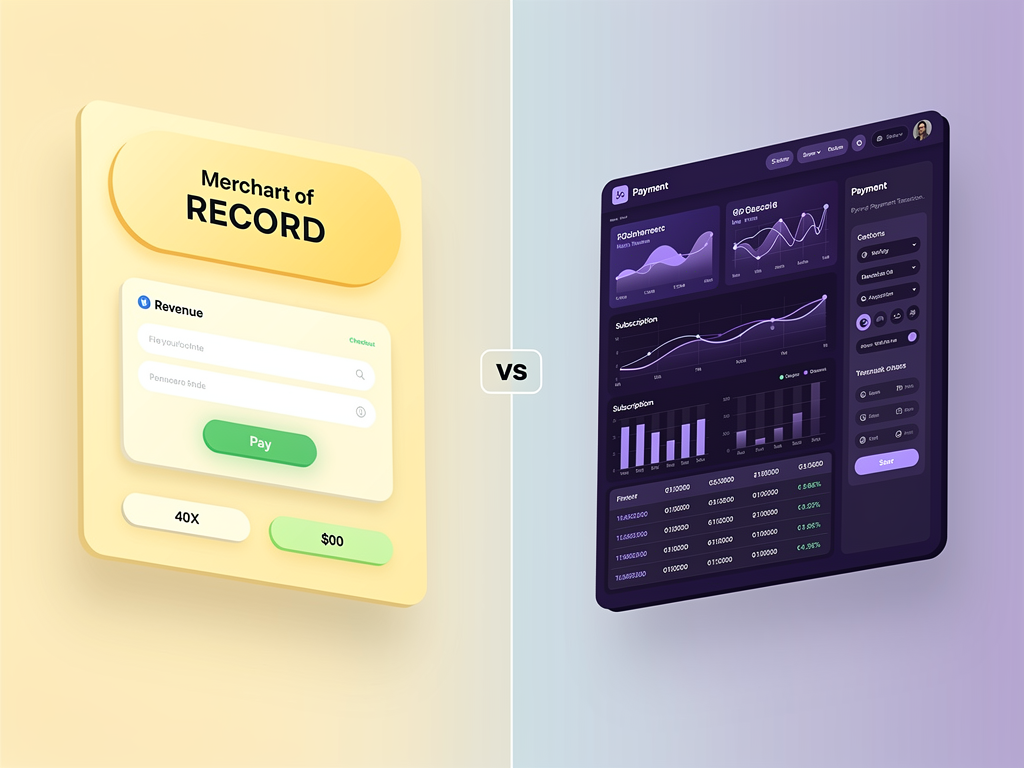
Before diving into features and pricing, you need to understand the core distinction that separates these two platforms. This difference is not merely technical; it fundamentally changes your legal relationship with your customers and your obligations to tax authorities around the world.
Stripe operates as a payment processor. When a customer purchases your SaaS subscription through Stripe, you are the legal seller in that transaction. Stripe facilitates the movement of money from your customer's payment method to your bank account, but the sale itself is between you and your customer. This means you are responsible for collecting the appropriate sales tax, VAT, or GST based on your customer's location, remitting those taxes to the relevant authorities, handling chargebacks and disputes, and maintaining compliance with consumer protection laws in every jurisdiction where you sell.
Lemon Squeezy operates as a merchant of record. When a customer purchases through Lemon Squeezy, they are technically buying from Lemon Squeezy, which then pays you as the software creator. This arrangement means Lemon Squeezy handles all tax collection and remittance, manages chargebacks and disputes, takes responsibility for fraud protection, and ensures compliance with international tax laws. You receive your revenue minus fees, and you never have to worry about receiving a letter from the German tax authority demanding unpaid VAT.
This distinction sounds bureaucratic until you realize its practical implications. A solo founder selling a $29 per month SaaS to customers in 40 countries would need to register for VAT in multiple EU countries, file regular returns, and potentially hire an accountant familiar with international tax law. With a merchant of record, all of that complexity disappears. The tradeoff is higher fees and less control over the customer relationship.
Pricing and Fee Structures Compared
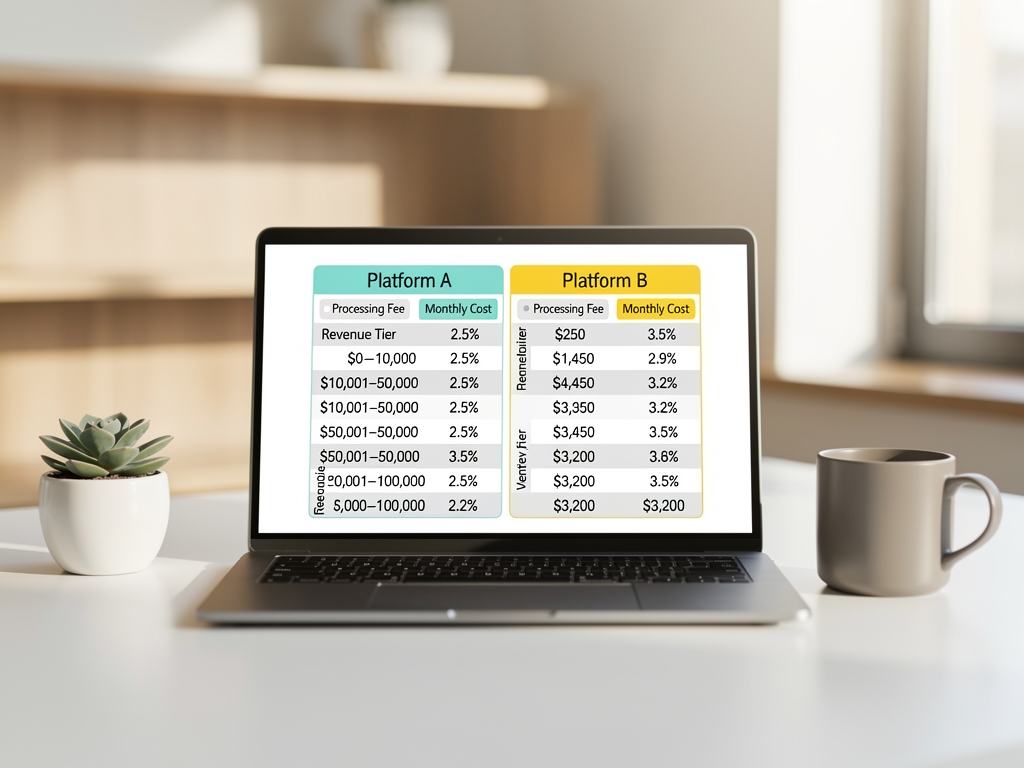
Understanding the true cost of each platform requires looking beyond the headline transaction fees. Both platforms have different fee structures, and the total cost depends on your transaction volume, average order value, and the additional services you need.
| Fee Component | Stripe | Lemon Squeezy |
|---|---|---|
| Base Transaction Fee | 2.9% + $0.30 | 5% + $0.50 |
| International Cards | +1.5% | Included |
| Currency Conversion | +1% | Included |
| Tax Compliance | Stripe Tax: +0.5% | Included |
| Chargeback Fee | $15 per dispute | Included |
| Fraud Protection | Radar: +$0.05 per transaction | Included |
At first glance, Stripe appears significantly cheaper with its 2.9% plus $0.30 fee compared to Lemon Squeezy's 5% plus $0.50. However, the gap narrows considerably when you factor in the additional costs of selling internationally. If you add Stripe Tax for automated tax calculation, you are already at 3.4% plus $0.30. Add international card fees and currency conversion for global customers, and you could be looking at 4.9% or higher on international transactions.
The real hidden cost with Stripe is compliance. Even with Stripe Tax calculating the right amounts, you remain responsible for registering with tax authorities, filing returns, and remitting payments. Many founders either ignore this obligation (creating future liability) or hire accountants and use additional services that can cost hundreds or thousands of dollars monthly. When you factor in these compliance costs, Lemon Squeezy's higher headline fee often represents a better deal for small to medium-sized SaaS businesses.
Pro Tip: Calculate your true cost by modeling your expected transaction volume, geographic distribution of customers, and the time or money you would spend on tax compliance. For many indie SaaS founders, the 2% fee difference between platforms is less than the cost of a single hour with an international tax accountant each month.
Developer Experience and Integration Complexity
For technical founders and development teams, the integration experience matters significantly. The time you spend implementing and maintaining your payment system is time not spent building features that differentiate your product. Both platforms offer different approaches to developer experience.
Stripe's developer experience is legendary in the industry. The documentation is comprehensive, the API is well-designed, and the ecosystem of libraries, plugins, and integrations is unmatched. Stripe provides official SDKs for every major programming language and framework, including excellent support for React and Next.js applications. You can implement everything from simple checkout buttons to complex subscription logic with metered billing, usage-based pricing, and sophisticated dunning workflows.
However, this flexibility comes with complexity. A full Stripe Billing implementation with proper webhook handling, subscription management, customer portal integration, and error handling can take weeks to build correctly. You need to handle edge cases like failed payments, card updates, subscription upgrades and downgrades, proration, and trial management. Many SaaS boilerplate solutions include pre-built Stripe integrations specifically because implementing it from scratch is so time-consuming.
Lemon Squeezy's developer experience is simpler by design. The platform offers hosted checkout pages that require minimal integration, a straightforward API for programmatic access, and webhooks for syncing subscription status with your application. You can get a working payment flow running in hours rather than days. The tradeoff is less flexibility: you cannot customize the checkout experience as deeply, and advanced billing scenarios may not be supported.
For founders using a Next.js boilerplate or SaaS starter kit to accelerate development, the choice often depends on what the boilerplate supports. Many modern starter kits support both platforms, allowing you to switch relatively easily. If your chosen template includes robust Stripe integration with all the edge cases handled, the complexity argument for Lemon Squeezy diminishes. If you are building from scratch or using a minimal starter, Lemon Squeezy's simplicity becomes more valuable.
Subscription Management and Billing Features
SaaS businesses live and die by their subscription management capabilities. Both platforms offer subscription billing, but they differ in sophistication and flexibility.
Stripe Billing is the most powerful subscription management system available to most SaaS businesses. It supports multiple pricing models including flat-rate subscriptions, tiered pricing, per-seat pricing, metered or usage-based billing, and hybrid models combining multiple approaches. The system handles complex scenarios like mid-cycle upgrades with proration, trial periods with various conversion options, coupon codes and promotional pricing, and sophisticated dunning sequences to recover failed payments.
Stripe's customer portal allows subscribers to manage their own billing information, update payment methods, view invoices, and even change subscription plans without requiring you to build these features yourself. The Stripe Billing documentation covers hundreds of scenarios, and the system can handle almost any pricing model you can imagine.
Lemon Squeezy's subscription features cover the essentials well. You can create subscription products with monthly and annual billing, offer free trials, apply discount codes, and manage customer subscriptions through their portal. The platform recently added usage-based billing capabilities, expanding its usefulness for SaaS applications with consumption-based pricing models.
Where Lemon Squeezy falls short is in advanced scenarios. If you need complex tiered pricing with multiple dimensions, sophisticated proration logic, or highly customized dunning sequences, you may find the platform limiting. For straightforward subscription models (monthly and annual plans with occasional discounts), Lemon Squeezy handles everything you need. For complex enterprise pricing or innovative billing models, Stripe provides more flexibility.
Global Tax Compliance and International Sales
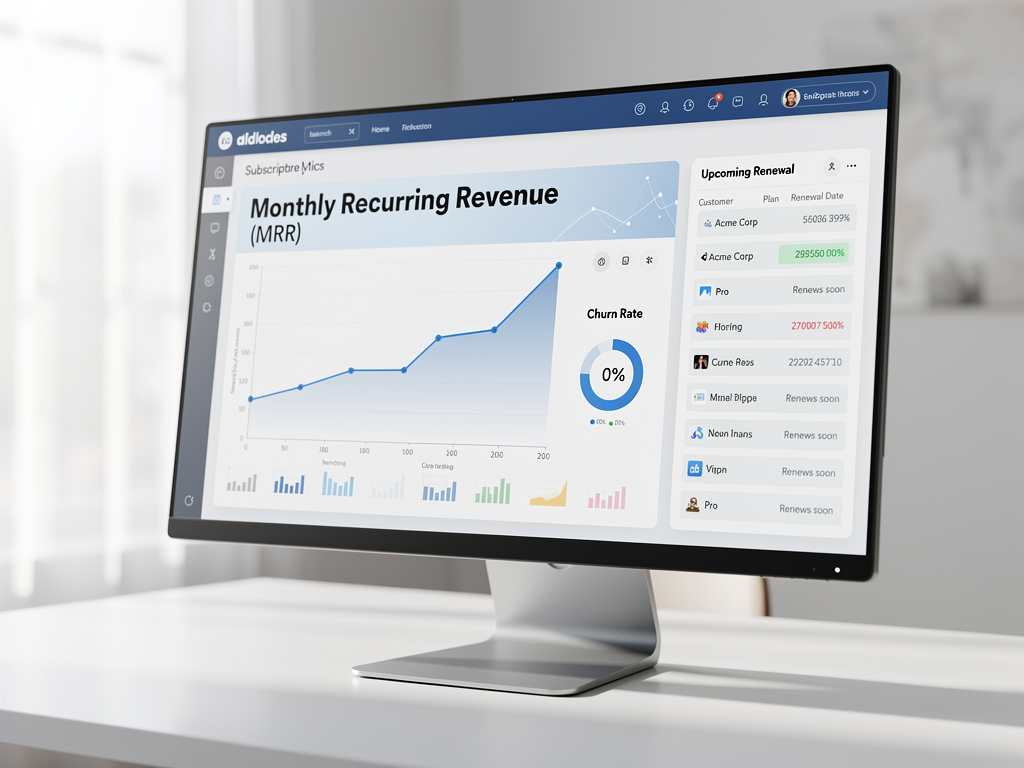
If you sell to customers outside your home country, tax compliance becomes one of the most important factors in your platform decision. The complexity of international digital services taxation has increased dramatically in recent years, with more countries implementing VAT, GST, and digital services taxes that apply to software subscriptions.
With Stripe, tax compliance is your responsibility. Stripe Tax can calculate the correct tax amount for each transaction based on the customer's location, but you must still register with tax authorities in relevant jurisdictions, file periodic returns (monthly, quarterly, or annually depending on the country), remit collected taxes to each authority, maintain records for audit purposes, and stay current with changing tax rates and rules.
For a SaaS selling to EU customers, this could mean registering for VAT in multiple countries or using the One-Stop Shop (OSS) system, filing quarterly returns, and ensuring you charge the correct rate for each of the 27 EU member states. The administrative burden is significant, and mistakes can result in penalties, interest, and back taxes.
With Lemon Squeezy, tax compliance is handled for you. As the merchant of record, Lemon Squeezy is legally responsible for collecting and remitting taxes in all jurisdictions. They handle registration, filing, and payment. You receive your revenue net of taxes and fees, and you never have to think about VAT rates in Estonia or GST requirements in Australia.
This difference is particularly important for founders in countries where Stripe is not available or where setting up a proper business entity for international sales is complicated. Several founders have noted that Lemon Squeezy enabled them to sell globally from countries where Stripe does not operate, removing a significant barrier to reaching international customers.
Checkout Experience and Conversion Optimization
The checkout experience directly impacts your conversion rates. A confusing, slow, or untrustworthy checkout can kill sales even when customers are ready to buy. Both platforms approach checkout differently.
Stripe offers multiple checkout options. Stripe Checkout provides a hosted, optimized checkout page that handles payment method selection, address collection, and tax calculation. It is mobile-responsive, supports dozens of payment methods, and is continuously optimized by Stripe's team. Alternatively, you can use Stripe Elements to build a fully custom checkout embedded in your application, giving you complete control over the design and user experience.
The flexibility of Stripe's approach means you can create checkout experiences that perfectly match your brand and user flow. However, building a custom checkout that converts well requires design expertise, A/B testing, and ongoing optimization. Many founders use Stripe Checkout initially and only invest in custom checkout when they have the resources to do it well.
Lemon Squeezy provides hosted checkout pages with customization options for colors, logos, and content. The checkout experience is clean and professional, optimized for conversion, and includes localization for international customers. You cannot embed the checkout directly in your application in the same way you can with Stripe Elements, but for many SaaS products, a redirect to a hosted checkout is perfectly acceptable.
Lemon Squeezy recently launched checkout localization features that automatically display prices in local currencies, show relevant payment methods for each region, and adapt the interface for different languages. This localization can significantly improve conversion rates for international customers who prefer to see prices in their own currency and pay with familiar methods.
Fraud Protection and Chargeback Management
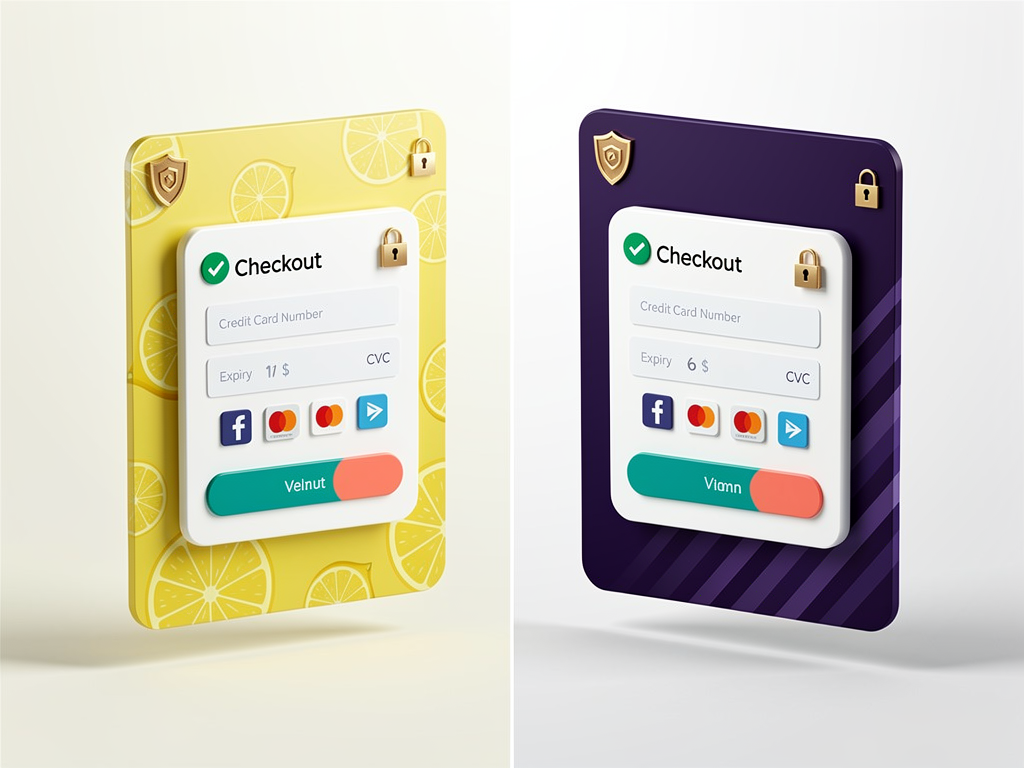
Fraud and chargebacks can devastate a SaaS business. Beyond the direct financial loss, excessive chargebacks can result in higher processing fees, account holds, or even termination of your payment processing capabilities. Understanding how each platform handles fraud is essential.
Stripe provides Radar, a machine learning-based fraud detection system that analyzes transactions in real-time. The basic version is included with your Stripe account, while Radar for Fraud Teams adds additional features for $0.05 per screened transaction. Radar blocks suspicious transactions before they complete, reducing fraud losses. However, when chargebacks do occur, you are responsible for responding to disputes, providing evidence, and absorbing the loss if you lose the dispute. Stripe charges a $15 fee for each chargeback regardless of outcome.
Lemon Squeezy includes fraud protection and chargeback management in their merchant of record service. Because they are the legal seller, they handle disputes directly with payment networks. You do not pay chargeback fees, and you do not need to spend time gathering evidence and responding to disputes. This protection is particularly valuable for digital products, which historically have higher chargeback rates than physical goods.
For SaaS businesses selling low-cost subscriptions, the chargeback protection alone can justify Lemon Squeezy's higher fees. A single chargeback on a $29 subscription costs you the $29 in revenue, the $15 Stripe fee, and potentially hours of time gathering evidence. With Lemon Squeezy, you simply receive slightly less revenue per transaction but never deal with chargebacks directly.
Building Multi-Tenant Platforms: Special Considerations
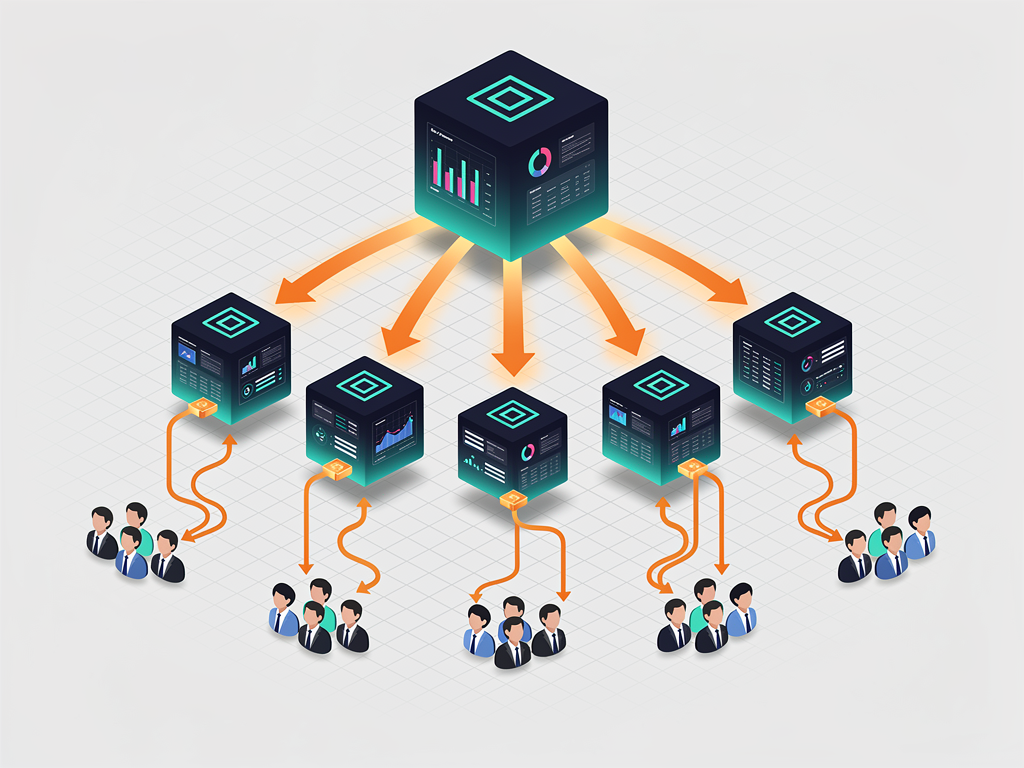
Founders building multi-tenant SaaS platforms face unique payment processing challenges. When your platform enables clients to create their own applications, you may need to handle payments not just for your own subscriptions but also for your clients' end users. This adds complexity that both platforms address differently.
Stripe Connect is designed specifically for platforms and marketplaces. It allows you to onboard your clients as connected accounts, process payments on their behalf, and automatically split revenue between your platform and your clients. Connect supports various account types with different levels of platform control, from fully managed accounts where your platform handles everything to standard accounts where clients have their own Stripe dashboard.
For a multi-tenant boilerplate or no-code platform builder, Stripe Connect enables powerful monetization features. Your clients can accept payments from their users, you can take a platform fee on each transaction, and everything is handled through a single integration. The complexity is significant, but the capability is unmatched.
Lemon Squeezy does not offer equivalent marketplace functionality. If you need to process payments on behalf of your platform's clients, Lemon Squeezy is not the right choice. However, if your multi-tenant platform only needs to bill your direct clients (the platform subscribers) rather than their end users, Lemon Squeezy works fine. Many no-code platforms charge a monthly subscription to platform users without taking a cut of what those users earn from their own customers.
When evaluating a Next.js starter kit or SaaS template for building multi-tenant platforms, consider whether you need marketplace payment functionality. If you do, ensure the template includes Stripe Connect integration or be prepared to build it yourself. If you only need to bill your direct subscribers, either platform will work.
Affiliate Programs and Partner Payouts
Many SaaS businesses use affiliate programs to drive growth. The ability to track referrals, calculate commissions, and pay affiliates efficiently can significantly impact your marketing effectiveness. Both platforms offer different approaches to affiliate management.
Lemon Squeezy includes a built-in affiliate program as part of their platform. You can set commission rates, generate unique affiliate links, track referrals, and manage payouts all within the Lemon Squeezy dashboard. Affiliates receive their own portal to track their performance and earnings. This integrated approach means you do not need additional software or manual tracking to run an affiliate program.
Stripe does not include affiliate management. You need to use third-party affiliate software that integrates with Stripe, such as Rewardful, FirstPromoter, or Tapfiliate. These services add additional monthly costs (typically $29 to $99 or more) and require separate integration work. The advantage is flexibility: you can choose the affiliate platform that best fits your needs and switch if necessary.
For indie SaaS founders who want to launch an affiliate program quickly without additional software costs, Lemon Squeezy's built-in solution is compelling. For larger operations that need advanced affiliate features like multi-tier commissions, custom attribution windows, or sophisticated reporting, a dedicated affiliate platform integrated with Stripe may be more appropriate.
Analytics, Reporting, and Business Intelligence
Understanding your revenue, churn, and customer behavior is essential for growing a SaaS business. Both platforms provide analytics, but the depth and accessibility differ.
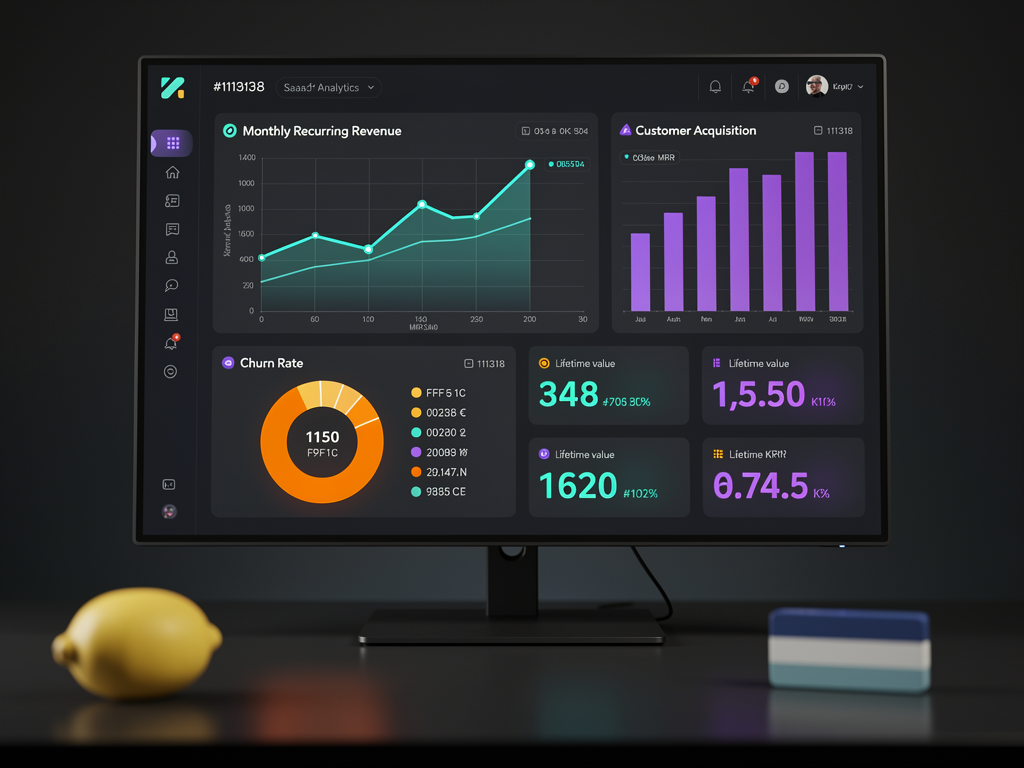
Stripe's dashboard provides comprehensive transaction data, subscription metrics, and financial reporting. You can view MRR, track subscription changes, analyze payment method usage, and export data for further analysis. Stripe also integrates with numerous analytics and business intelligence tools, allowing you to build custom dashboards and combine payment data with product usage metrics.
For advanced analytics, many SaaS businesses use tools like ChartMogul or Baremetrics that connect to Stripe and provide deeper subscription analytics including cohort analysis, customer lifetime value calculations, and churn prediction. These tools add cost but provide insights that can drive significant business improvements.
Lemon Squeezy's analytics cover the essentials: revenue, orders, subscriptions, and basic trends. The reporting is sufficient for understanding your business performance but less sophisticated than what you can achieve with Stripe plus dedicated analytics tools. For early-stage SaaS businesses, the built-in analytics are usually adequate. As you scale and need deeper insights, you may find the reporting limiting.
Platform Stability and Long-Term Viability
When choosing a payment processor, you are making a long-term commitment. Migrating payment systems is painful, involving customer communication, potential payment disruptions, and significant engineering work. The stability and longevity of your chosen platform matters.
Stripe is one of the most valuable private companies in the world, valued at tens of billions of dollars with a dominant market position in online payments. The company processes hundreds of billions of dollars annually and serves millions of businesses. Stripe is not going anywhere, and you can confidently build on their platform knowing it will exist for decades.
Lemon Squeezy was acquired by Stripe in 2024, which actually increases its long-term viability. Rather than being a small independent company that could struggle or be acquired by a less favorable buyer, Lemon Squeezy now has Stripe's resources and stability behind it. The acquisition suggests Stripe sees value in the merchant of record model and plans to maintain Lemon Squeezy as a distinct offering.
The acquisition also creates interesting possibilities for future integration. Stripe could potentially offer Lemon Squeezy's merchant of record services as an option within the Stripe ecosystem, giving merchants the ability to choose their preferred model. While nothing has been announced, the combination of Stripe's infrastructure with Lemon Squeezy's simplicity could be powerful.
When to Choose Stripe
Stripe is the right choice in several specific scenarios. Understanding these situations will help you determine if Stripe aligns with your needs and resources.
Choose Stripe if you have engineering resources. Implementing Stripe properly requires developer time for initial integration, webhook handling, error management, and ongoing maintenance. If you have a technical cofounder or development team, this investment pays off in flexibility and lower fees at scale. If you are a solo non-technical founder, the implementation burden may be prohibitive.
Choose Stripe if you are at scale or expect to be soon. The fee difference between Stripe and Lemon Squeezy becomes significant at higher revenue levels. At $1M ARR, you might save $20,000 or more annually by using Stripe instead of a merchant of record. At $5M ARR, the savings could exceed $100,000. If you have a clear path to significant revenue, starting with Stripe avoids a painful migration later.
Choose Stripe if you need advanced billing features. Complex pricing models, usage-based billing, sophisticated dunning, and custom subscription logic are Stripe's strengths. If your business model requires these capabilities, Stripe is likely your only option among mainstream payment processors.
Choose Stripe if you are building a marketplace or platform with Stripe Connect. If your business model involves processing payments on behalf of your users, Stripe Connect is the industry standard. No other platform offers equivalent functionality for marketplace payment processing.
Choose Stripe if you have tax compliance handled. If you already have an accountant familiar with international digital services taxes, use a service like Avalara for tax compliance, or only sell in a single jurisdiction, Stripe's lack of merchant of record services is less of a burden.

When to Choose Lemon Squeezy
Lemon Squeezy excels in different scenarios. If these situations describe your business, Lemon Squeezy may be the better choice.
Choose Lemon Squeezy if you are a solo founder or small team. The time you save on tax compliance, chargeback management, and simpler integration can be spent on product development and customer acquisition. For indie SaaS businesses, this time savings often outweighs the higher fees.
Choose Lemon Squeezy if you sell internationally without tax infrastructure. If you want to sell to customers worldwide without registering for VAT in multiple countries, hiring international tax accountants, or using additional compliance services, Lemon Squeezy's merchant of record model is invaluable. The peace of mind alone is worth the fee premium for many founders.
Choose Lemon Squeezy if Stripe is not available in your country. Stripe operates in many countries but not all. If you are building a SaaS from a country where Stripe does not support merchants, Lemon Squeezy may be your best option for accepting global payments.
Choose Lemon Squeezy if you want to launch quickly. Getting a payment flow working with Lemon Squeezy takes hours, not days or weeks. If you are validating an idea and want to start collecting revenue as quickly as possible, Lemon Squeezy's simplicity accelerates your time to market.
Choose Lemon Squeezy if you want a built-in affiliate program. If affiliate marketing is part of your growth strategy and you do not want to pay for and integrate separate affiliate software, Lemon Squeezy's included affiliate features provide immediate value.
Integration with Modern Development Stacks
For developers building with modern frameworks, integration quality matters. Both platforms work well with contemporary development approaches, but the experience differs.
Stripe integrates deeply with the React and Next.js ecosystem. The official Stripe React library provides components for building custom checkout forms, and Stripe's documentation includes specific guidance for Next.js applications. Many Next.js SaaS template projects include pre-built Stripe integration with subscription management, customer portals, and webhook handling already implemented.
If you are using a SaaS boilerplate like SaaSCore's comprehensive Next.js boilerplate, you likely get Stripe integration out of the box with all the complex subscription logic already handled. This dramatically reduces the implementation burden that would otherwise favor Lemon Squeezy's simplicity.
Lemon Squeezy also works well with modern stacks but with a different approach. Rather than deep component-level integration, Lemon Squeezy typically uses redirect-based checkout flows and webhooks for subscription synchronization. The integration is simpler but less customizable. For many SaaS applications, this level of integration is perfectly sufficient.
When choosing a SaaS starter kit for your project, check which payment platforms are supported and how deeply they are integrated. A template with robust Stripe integration may make Stripe the obvious choice, while a template with only basic payment support may make Lemon Squeezy's simplicity more attractive.

Migration Considerations and Switching Costs
Understanding the difficulty of switching payment processors helps you make a more informed initial choice. Migration is never trivial, but some scenarios are more painful than others.
Migrating from Lemon Squeezy to Stripe is relatively straightforward for simple subscription models. You would need to implement Stripe integration, import customer data, and coordinate the transition of active subscriptions. Customers would need to re-enter payment information since you cannot transfer card details between platforms. The main challenge is timing the migration to minimize disruption to recurring billing.
Migrating from Stripe to Lemon Squeezy follows a similar process but may require simplifying your billing model if you use advanced Stripe features that Lemon Squeezy does not support. Complex pricing tiers, usage-based billing, or custom subscription logic would need to be redesigned.
The hidden cost of migration is customer friction. Asking customers to re-enter payment information creates an opportunity for churn. Some customers will not complete the process, and you will lose revenue. This friction cost should factor into your initial platform decision: choosing the right platform from the start avoids this pain entirely.
For founders building on a multi-tenant boilerplate or platform, consider how payment processor choice affects your clients. If your platform includes payment processing for client applications, switching processors could require coordinating migrations across all your tenants, multiplying the complexity significantly.
Real-World Cost Comparison at Different Revenue Levels
Abstract fee percentages become concrete when you model actual revenue scenarios. Here is how costs compare at different stages of SaaS growth.
| Annual Revenue | Stripe Cost (Base) | Stripe Cost (With Tax + Intl) | Lemon Squeezy Cost | Difference |
|---|---|---|---|---|
| $50,000 | $1,810 | $2,810 | $3,000 | $190 (LS higher) |
| $100,000 | $3,620 | $5,620 | $5,600 | $20 (Stripe higher) |
| $250,000 | $9,050 | $14,050 | $13,250 | $800 (Stripe higher) |
| $500,000 | $18,100 | $28,100 | $26,000 | $2,100 (Stripe higher) |
| $1,000,000 | $36,200 | $51,200 | $51,000 | $200 (Stripe higher) |
This table assumes 50% international transactions for the "Stripe with Tax + International" column and does not include the cost of tax compliance services, accountant fees, or time spent on administration. When you factor in those costs, Lemon Squeezy often remains cost-competitive even at higher revenue levels for businesses without dedicated finance operations.
The crossover point where Stripe becomes clearly cheaper depends heavily on your specific situation. If you have minimal international sales and handle tax compliance efficiently, Stripe wins earlier. If you sell globally and would need significant compliance infrastructure, Lemon Squeezy may remain competitive even past $1M ARR.

Making Your Decision: A Framework
With all this information, how do you actually decide? Use this framework to guide your choice based on your specific situation.
Step 1: Assess your technical resources. Do you have developers who can implement and maintain a Stripe integration? If not, Lemon Squeezy's simplicity provides significant value. If you are using a comprehensive SaaS template with Stripe already integrated, this factor matters less.
Step 2: Evaluate your geographic market. Will you sell primarily in one country or globally? If you are focused on a single market (especially the US), Stripe's compliance burden is manageable. If you are selling globally from day one, Lemon Squeezy's merchant of record model saves substantial hassle.
Step 3: Consider your billing complexity. Do you need simple monthly and annual subscriptions, or complex usage-based pricing with multiple tiers? Simple billing works well on either platform. Complex billing requires Stripe.
Step 4: Project your revenue trajectory. Where do you expect to be in two years? If you are confident you will exceed $500K ARR, starting with Stripe avoids migration pain. If you are validating an idea and revenue is uncertain, Lemon Squeezy lets you launch faster and switch later if needed.
Step 5: Check platform availability. Is Stripe available in your country? If not, Lemon Squeezy may be your only viable option for global payment processing.
Conclusion
The choice between Lemon Squeezy and Stripe is not about which platform is objectively better. It is about which platform better fits your specific situation, resources, and goals. Both are excellent options that power thousands of successful SaaS businesses.
Lemon Squeezy shines for indie developers, solo founders, and small teams who want to focus on building their product rather than managing payment infrastructure. The merchant of record model eliminates tax compliance headaches, the built-in affiliate program accelerates growth, and the simpler integration gets you to market faster. The higher fees are a worthwhile tradeoff for the time and complexity saved.
Stripe excels for funded startups, larger teams, and complex billing scenarios. The lower fees at scale, unmatched flexibility, and powerful features like Stripe Connect make it the right choice for businesses with engineering resources and growth ambitions. The control you gain over the customer experience and billing logic enables business models that simply are not possible with simpler platforms.
For many founders, the right answer is to start with Lemon Squeezy for speed and simplicity, then migrate to Stripe when you reach a scale where the fee savings justify the additional complexity. Others will start with Stripe from day one, especially if using a SaaS boilerplate that includes robust Stripe integration. Either path can lead to a successful SaaS business.
What matters most is making a deliberate choice based on your actual needs rather than defaulting to what everyone else uses. Evaluate your technical resources, your market, your billing requirements, and your growth expectations. Choose the platform that lets you focus on what actually matters: building a product your customers love.

Frequently Asked Questions
Can I switch from Lemon Squeezy to Stripe later without losing customers?
Yes, you can migrate from Lemon Squeezy to Stripe, but the process requires careful planning to minimize customer churn. The main challenge is that payment credentials cannot be transferred between platforms, so customers must re-enter their payment information. Best practices include giving customers advance notice of the migration, providing a simple re-enrollment flow, offering an incentive (like a discount) for completing the transition quickly, and timing the migration to coincide with natural renewal periods. Expect some customer loss during migration, typically 5-15% depending on how well you execute the transition. Many successful SaaS businesses have made this migration as they scaled, so it is definitely achievable with proper preparation.
Does Stripe's acquisition of Lemon Squeezy mean the platforms will merge?
As of now, Stripe has maintained Lemon Squeezy as a separate product with its own branding, features, and pricing. The acquisition appears strategic, allowing Stripe to offer a merchant of record option to customers who want that model while maintaining their core payment processor business. There has been no announcement of plans to merge the platforms or discontinue either one. The most likely scenario is continued parallel operation with potential integration benefits over time, such as easier migration paths or shared infrastructure. Founders should feel confident building on either platform without fear of imminent discontinuation.
How do Lemon Squeezy and Stripe handle failed payments and dunning?
Both platforms offer automated dunning (the process of retrying failed payments and notifying customers), but with different levels of sophistication. Stripe provides highly configurable dunning sequences through Stripe Billing, allowing you to set retry schedules, customize email notifications, and define exactly when to cancel subscriptions after failed payments. You can create different dunning strategies for different customer segments. Lemon Squeezy handles dunning automatically with sensible defaults but offers less customization. For most SaaS businesses, Lemon Squeezy's approach is sufficient. If you have specific dunning requirements based on customer value or payment history, Stripe's flexibility becomes valuable.
Which platform is better for selling to enterprise customers?
Stripe is generally better suited for enterprise sales due to its support for invoicing, net payment terms, purchase orders, and custom contracts. Enterprise customers often require invoices rather than credit card charges, payment terms of 30, 60, or 90 days, integration with their procurement systems, and detailed reporting for their finance teams. Stripe's invoicing features and API flexibility support these requirements. Lemon Squeezy is designed primarily for self-service purchases with immediate payment, which works well for SMB customers but may not meet enterprise procurement requirements. If enterprise sales are a significant part of your strategy, Stripe is the safer choice.
How do refunds work on each platform, and who bears the cost?
Refund policies and costs differ between the platforms. With Stripe, you initiate refunds through the dashboard or API, and the customer receives their money back. Stripe does not refund their processing fee on refunded transactions, so you lose both the revenue and the original processing cost. With Lemon Squeezy as merchant of record, they handle refund requests and may have their own refund policies that apply. The fees on refunded transactions are typically not returned on either platform. For SaaS businesses, refunds are usually rare (since customers can simply cancel), but understanding the cost implications helps with financial planning, especially if you offer money-back guarantees.
Can I use both Stripe and Lemon Squeezy simultaneously for different products?
Yes, some businesses use both platforms for different purposes. For example, you might use Lemon Squeezy for your main SaaS subscription (benefiting from the merchant of record model for international sales) while using Stripe for one-time purchases, enterprise invoicing, or marketplace payments through Stripe Connect. This hybrid approach adds complexity to your billing infrastructure and reporting, but it can optimize for the strengths of each platform. If you pursue this strategy, ensure your accounting and analytics can consolidate data from both sources. Most businesses find it simpler to standardize on one platform, but the hybrid approach is viable for specific use cases.
Ready to Build Your SaaS Platform?
Choosing the right payment processor is just one piece of building a successful SaaS business. If you are ready to launch a multi-tenant platform where your clients can create their own applications with custom subdomains and SSL, NextBuilder provides the complete foundation you need. With built-in support for both payment models, multi-tenant architecture, and all the features required for a production-ready platform, you can focus on your unique value proposition instead of rebuilding common infrastructure. Start building your no-code SaaS platform today and launch in days instead of months.
Subscribe to our newsletter
Subscribe to our newsletter and stay up-to-date with the latest news and updates.