Clerk vs Better Auth in 2026: Which Authentication Solution Fits Your SaaS Needs?
Explore the 2026 showdown between Clerk and Better Auth for SaaS authentication. Learn about their features, pricing, and suitability to determine the best choice for your project.

Zakariae
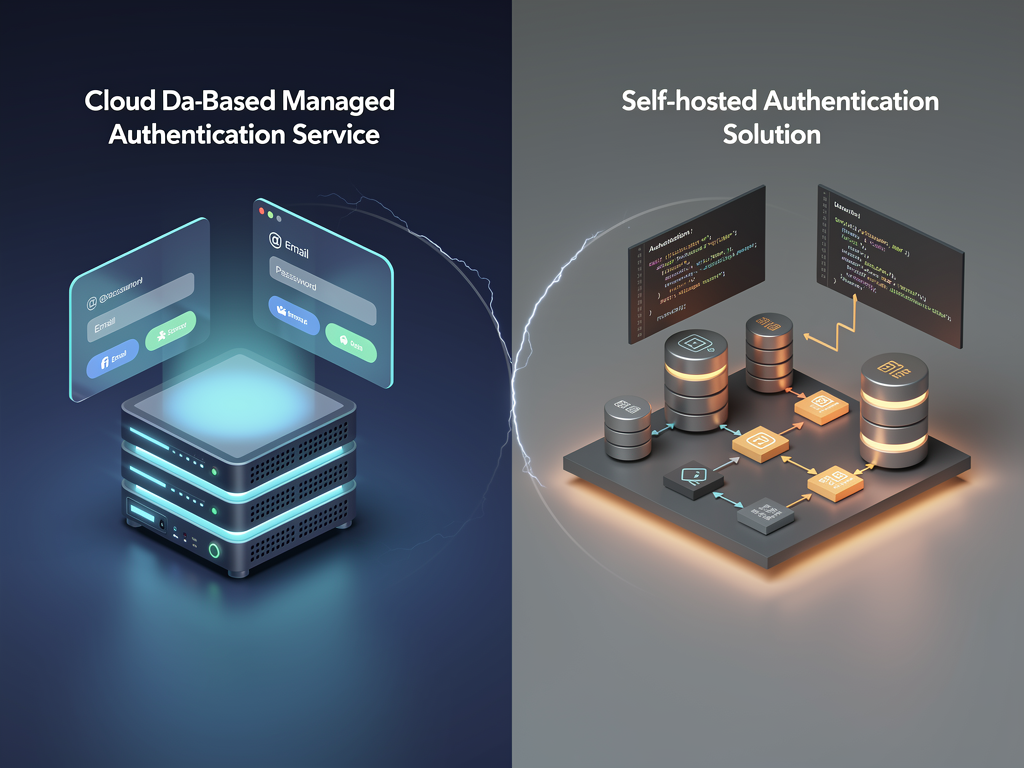
In the rapidly evolving landscape of web development, authentication remains a cornerstone of any SaaS platform. As we venture into 2026, two frontrunners are emerging as preferred choices for developers: Clerk and Better Auth. This article delves into the comparison of these two authentication solutions, examining their features, pricing, and suitability for different use cases.
Key Takeaways
- Clerk offers a managed service with pre-built UI components, making it ideal for quick deployment.
- Better Auth provides a self-hosted solution with a focus on flexibility and control, ideal for developers seeking customization.
- Both platforms cater to different needs: Clerk is best for speed and ease of use, while Better Auth excels in control and scalability.
- Choosing between Clerk and Better Auth largely depends on your project's requirements and future scaling plans.
Understanding Authentication in SaaS Platforms
Authentication is a critical component in SaaS platforms, ensuring that users can securely access their accounts and data. With the rise of multi-tenant platforms, the need for robust authentication systems has become more pressing. These systems must not only secure user data but also offer seamless integration with other services and frameworks.
As developers and entrepreneurs explore SaaS boilerplate solutions for rapid development, choosing the right authentication service can significantly impact the project's success. The decision between Clerk and Better Auth is not just about features but also about how well they align with your development goals and technical requirements.
Clerk: A Managed Authentication Service
Clerk provides a managed authentication service that stands out due to its ease of use and pre-built UI components. This makes it particularly appealing for startups and developers who need to implement authentication quickly without delving into the complexities of backend management.
One of Clerk's main advantages is its ability to offer production-quality sign-in screens and user management out of the box. This can save developers significant time and effort, allowing them to focus on other critical aspects of their application.
Better Auth: The Self-Hosted Solution
Better Auth, on the other hand, offers a self-hosted solution that gives developers full control over their authentication stack. This is particularly beneficial for those who require customization and are concerned about vendor lock-in.
With Better Auth, developers can integrate the authentication system directly within their application, leveraging their existing infrastructure and data. This approach is ideal for projects that need to scale efficiently and maintain full ownership of user data.
Feature Comparison: Clerk vs Better Auth
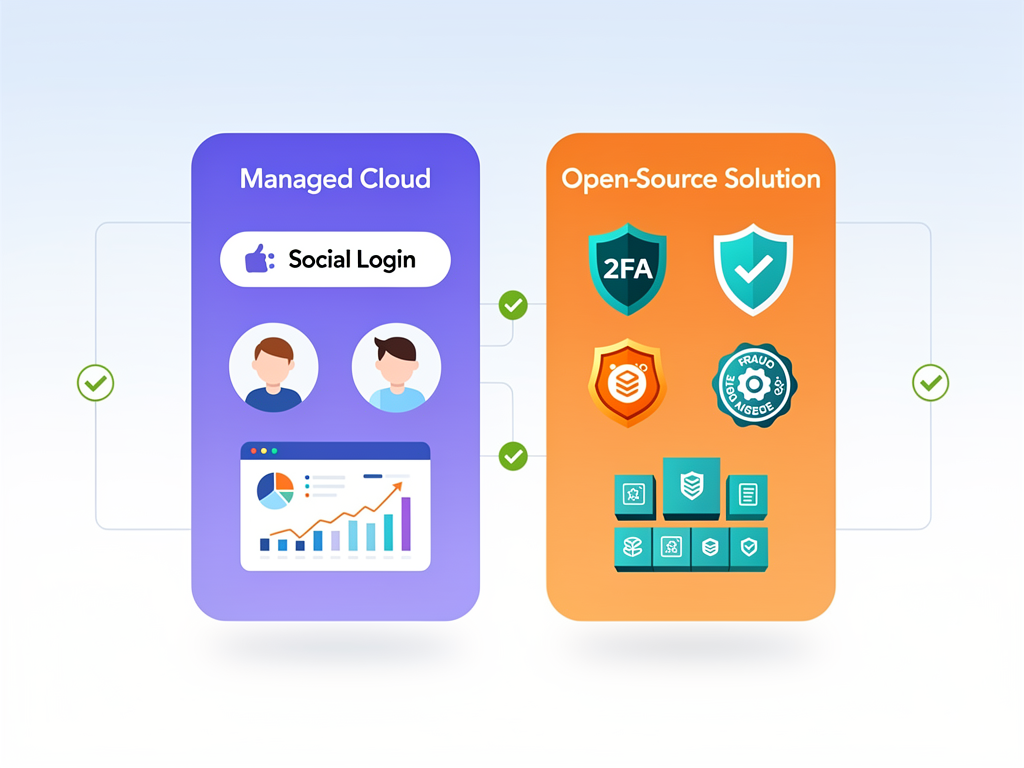
When comparing Clerk and Better Auth, it's essential to consider the specific features each platform offers. Clerk provides a range of pre-built components, including social login, multi-tenancy support, and a user management dashboard. Its managed service model means that developers can rely on Clerk for ongoing updates and maintenance.
Better Auth, however, shines in its flexibility. It supports a wide range of authentication methods, including two-factor authentication (2FA), role-based access control (RBAC), and social login. Its plugin architecture allows developers to extend its capabilities, making it a versatile choice for complex applications.
Pricing Models: Cost Considerations
Pricing is a crucial factor when choosing an authentication provider. Clerk operates on a usage-based pricing model, which can become costly as the number of monthly active users (MAU) increases. This model is suitable for projects with predictable user growth or those in the early stages of development.
Better Auth, being a self-hosted solution, offers a more predictable cost structure. Developers incur costs related to their hosting infrastructure, but they avoid the per-user pricing model. This can result in significant savings for larger applications with a high user count.
Scalability and Performance
Scalability is a key consideration for any SaaS application, especially those built with a multi-tenant boilerplate. Clerk's managed service is designed to handle scalability seamlessly, ensuring that performance remains consistent even as user numbers grow.
Better Auth provides scalability through its self-hosted nature, allowing developers to optimize performance based on their infrastructure. This is particularly useful for applications with unique performance requirements or those expecting rapid growth.

Security Features: Keeping Data Safe
Security is paramount in any authentication system. Clerk offers robust security features, including encrypted user data storage and compliance with industry standards. Its managed nature ensures that security updates are applied promptly, reducing the risk of vulnerabilities.
Better Auth provides a high level of security by allowing developers to control how user data is stored and accessed. Its open-source nature means that security can be customized to meet specific requirements, making it an attractive choice for security-conscious developers.
Integration with Next.js
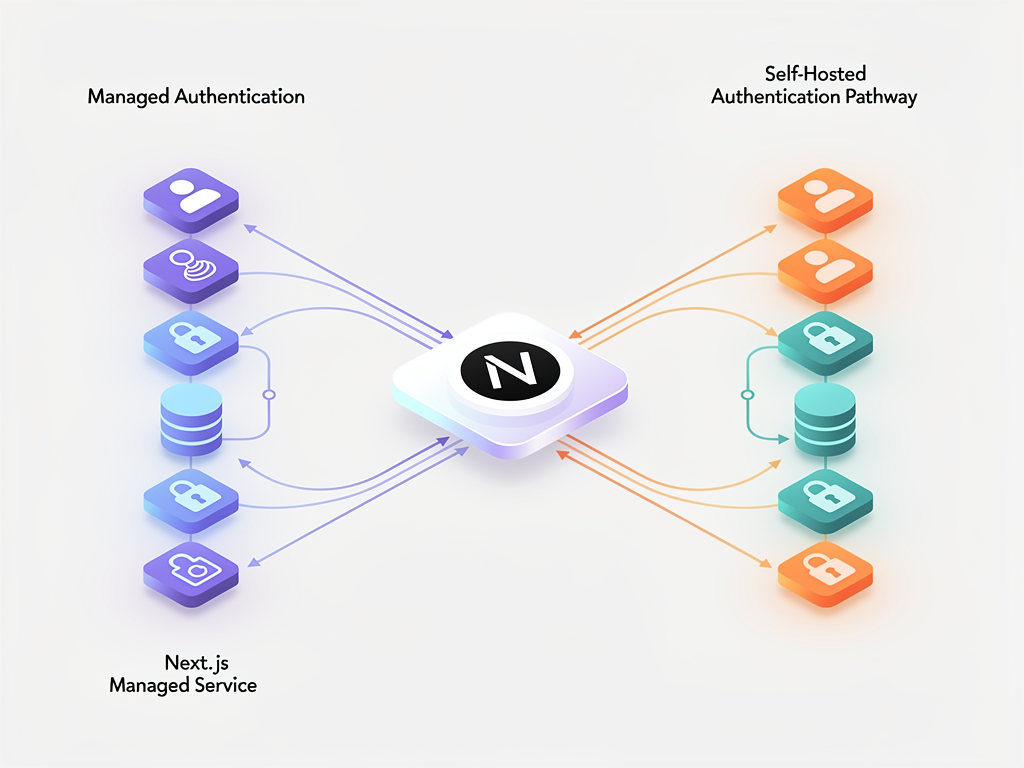
For developers using the Next.js boilerplate, integration with authentication services is a critical consideration. Clerk offers seamless integration with Next.js, providing a smooth development experience with minimal configuration required.
Better Auth also supports Next.js integration, offering flexibility in how authentication is implemented. Developers can choose to integrate Better Auth directly into their Next.js applications, leveraging its flexibility and control.
Vendor Lock-In: Avoiding Long-Term Constraints
Vendor lock-in is a concern for many developers, particularly those building long-term projects. Clerk's managed service model can lead to vendor lock-in, as user data is stored on Clerk's servers. This can pose challenges if an organization decides to switch providers or requires data residency in specific regions.
Better Auth mitigates vendor lock-in by allowing developers to store user data on their servers. This ensures that organizations maintain full control over their data, making it easier to switch providers or modify their authentication system as needed.
Use Cases: Choosing the Right Solution
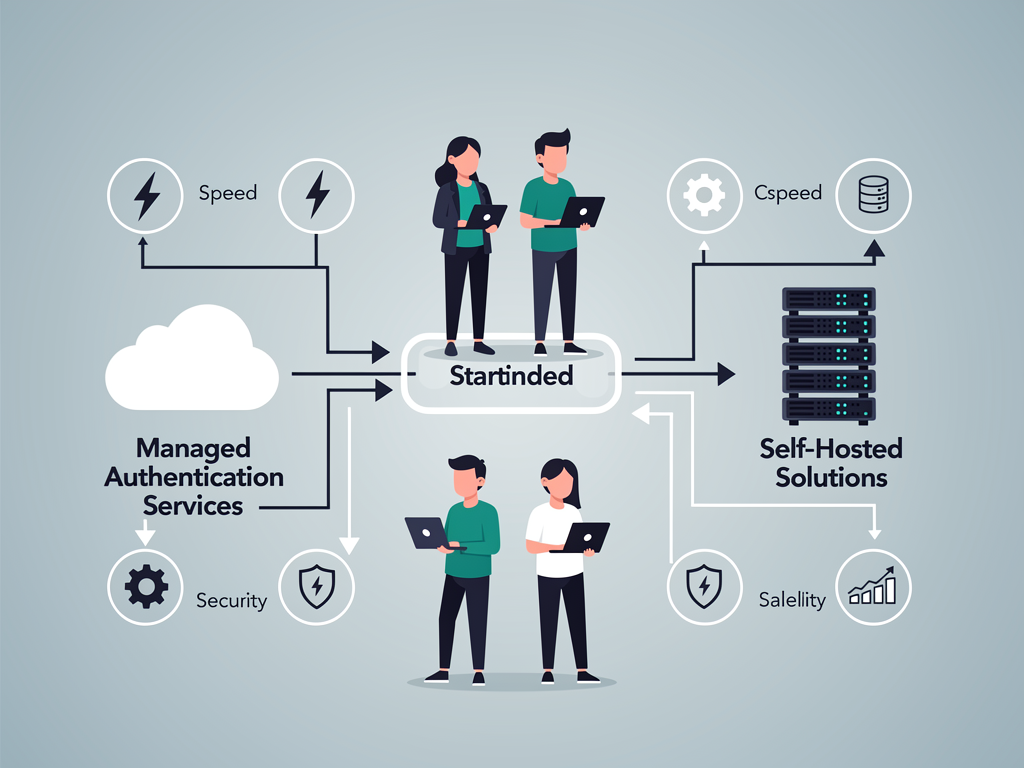
The decision between Clerk and Better Auth often comes down to specific use cases. Clerk is ideal for projects that prioritize speed and ease of use, such as prototypes, hackathons, or projects with limited technical resources.
Better Auth is best suited for projects that require customization, scalability, and security. Its self-hosted nature makes it an excellent choice for applications that need to integrate deeply with existing systems or require specific compliance with data residency regulations.
Community and Support
Community support is an important factor when choosing an authentication provider. Clerk benefits from a growing community and offers dedicated support to assist developers with implementation and troubleshooting.
Better Auth, as an open-source solution, has a vibrant community of developers who contribute to its development and offer support through forums and documentation. This can be invaluable for developers seeking to customize their authentication stack.
Migrating from Clerk to Better Auth
For developers considering a switch from Clerk to Better Auth, migration can be a critical concern. The process involves setting up Better Auth alongside the existing authentication system, migrating user data, and updating authentication components.
While the migration process requires careful planning and execution, it offers the opportunity to gain greater control over the authentication system and reduce long-term costs associated with a managed service.
Developer Experience and Learning Curve
The developer experience differs significantly between Clerk and Better Auth, and understanding these differences can help teams make informed decisions based on their technical expertise. Clerk prioritizes simplicity with its SDK design, offering intuitive hooks and components that developers can implement with minimal configuration. The learning curve is gentle, typically requiring only a few hours to achieve a working authentication flow.
Better Auth demands a deeper understanding of authentication concepts and infrastructure management. Developers must configure database connections, session management, and token handling manually. While this requires more upfront investment, it results in a more thorough understanding of the authentication layer.
- Clerk advantages: Comprehensive documentation, interactive tutorials, and TypeScript support out of the box
- Better Auth advantages: Full visibility into authentication logic, easier debugging, and no abstraction layers hiding implementation details
- Onboarding time: Clerk typically requires 2 to 4 hours for basic setup, while Better Auth may require 1 to 2 days for complete configuration
Pro tip: Teams with junior developers or tight deadlines often benefit from Clerk's managed approach, while experienced teams building long term products may prefer Better Auth's transparency.
The debugging experience also varies considerably. Clerk provides detailed error messages through its dashboard, but troubleshooting can become challenging when issues occur within Clerk's infrastructure. Better Auth allows developers to inspect every aspect of the authentication flow, making it easier to identify and resolve issues quickly.
Customization and Branding Capabilities
Branding consistency across authentication flows is crucial for maintaining a professional user experience. Both Clerk and Better Auth offer customization options, but they approach this challenge differently. Clerk provides themed components that can be styled using CSS variables and a visual editor in the dashboard. This allows for quick brand alignment without extensive coding.
Better Auth offers complete control over every visual element since developers build authentication interfaces from scratch. This means unlimited customization possibilities, from unique animation effects to completely custom form layouts that match your design system perfectly.
| Customization Aspect | Clerk | Better Auth |
|---|---|---|
| Color schemes | CSS variables, dashboard editor | Full CSS control |
| Component structure | Limited to provided layouts | Completely custom |
| Email templates | Template editor with variables | Full HTML and CSS control |
| Error messages | Configurable text | Custom logic and display |
For applications requiring white label authentication or serving multiple brands, Better Auth provides the flexibility needed to create distinct experiences for each brand. Clerk's customization, while sufficient for most use cases, may feel restrictive when implementing highly specific design requirements or unique user flows that deviate from standard patterns.
Testing and Development Workflow Best Practices
Establishing robust testing practices for authentication is essential regardless of which solution you choose. Both Clerk and Better Auth require different approaches to testing, and understanding these workflows can prevent production issues and security vulnerabilities.
Clerk provides test mode with sandbox environments that mirror production behavior. Developers can create test users and simulate various authentication scenarios without affecting real user data. However, testing offline or in isolated environments requires additional configuration since Clerk's services must be accessible.
- Set up a dedicated Clerk development instance separate from production
- Use Clerk's test keys to avoid rate limiting during automated testing
- Implement mock authentication for unit tests to avoid external dependencies
- Create integration tests that verify webhook handling and session management
Better Auth enables fully offline testing since all components run within your infrastructure. This makes it ideal for continuous integration pipelines and local development without internet connectivity. Developers can spin up isolated database instances and test authentication flows without external service dependencies.
Testing recommendation: Regardless of your choice, always implement end to end tests that verify the complete authentication flow, including edge cases like expired sessions, invalid tokens, and concurrent login attempts.
Consider implementing feature flags when testing authentication changes. This allows gradual rollout of new authentication features and quick rollback if issues arise. Both solutions support feature flag integration, though Better Auth's self hosted nature makes implementing custom feature flag logic more straightforward.
Common Implementation Pitfalls and How to Avoid Them
Developers frequently encounter similar challenges when implementing either authentication solution. Understanding these pitfalls beforehand can save significant debugging time and prevent security vulnerabilities in production environments.
With Clerk, common mistakes include improper middleware configuration that leaves routes unprotected, failing to handle webhook events correctly, and not implementing proper error boundaries around authentication components. Many developers also overlook the importance of configuring allowed redirect URLs, leading to authentication failures in production.
- Session synchronization issues: Ensure server and client session states remain consistent, especially in Next.js applications with server components
- Rate limiting oversights: Implement proper retry logic when Clerk's API returns rate limit errors
- Webhook security: Always verify webhook signatures to prevent malicious requests
Better Auth implementations often suffer from inadequate password hashing configuration, improper session token storage, and missing CSRF protection. Developers sometimes neglect to implement proper token refresh mechanisms, leading to poor user experience when sessions expire unexpectedly.
Security oversights represent the most critical category of implementation errors. Both solutions require careful attention to secure cookie configuration, including proper SameSite attributes, secure flags for HTTPS environments, and appropriate expiration settings. Failing to implement these correctly can expose applications to session hijacking and cross site request forgery attacks.
Security checklist: Before launching, verify that all authentication endpoints use HTTPS, sensitive data is never logged, and failed login attempts are rate limited to prevent brute force attacks.
Conclusion
In the showdown of clerk vs better auth, there is no one-size-fits-all answer. Both platforms offer distinct advantages and cater to different needs. Clerk excels in ease of use and rapid deployment, making it ideal for projects that need to get off the ground quickly.
Better Auth, with its focus on flexibility and control, is better suited for projects that require deep integration and customization. Developers must weigh their specific requirements and long-term goals to make an informed decision.
Frequently Asked Questions
What are the main differences between Clerk and Better Auth?
Clerk is a managed authentication service that provides pre-built UI components and a user management dashboard, making it easy to deploy. Better Auth, on the other hand, is a self-hosted solution that offers greater flexibility and control over the authentication stack. It allows developers to customize authentication methods and store user data on their servers, reducing vendor lock-in.
Which authentication solution is better for startups?
For startups that need to launch quickly and have limited technical resources, Clerk is an excellent choice. Its managed service and pre-built components enable rapid deployment without the need for extensive backend development. However, if a startup anticipates rapid growth and requires customization, Better Auth may be more suitable due to its scalability and flexibility.
How does pricing compare between Clerk and Better Auth?
Clerk follows a usage-based pricing model, which can become expensive as the number of monthly active users increases. This model is beneficial for projects with predictable user growth. Better Auth, being self-hosted, incurs costs related to hosting infrastructure but avoids per-user fees. This can lead to significant savings for applications with a large user base.
Can I migrate from Clerk to Better Auth?
Yes, migrating from Clerk to Better Auth is possible, though it requires careful planning. The migration process involves setting up Better Auth alongside the existing system, transferring user data, and updating authentication components. While it may require some effort, the migration offers benefits such as reduced vendor lock-in and greater control over the authentication stack.
Is Better Auth suitable for compliance with data residency regulations?
Yes, Better Auth is well-suited for compliance with data residency regulations. As a self-hosted solution, it allows developers to store user data on their servers, ensuring that data residency requirements are met. This is particularly important for applications serving users in regions with strict data protection laws.
What makes Better Auth a good choice for multi-tenant platforms?
Better Auth is ideal for multi-tenant platforms due to its flexibility and control. It supports a wide range of authentication methods and allows developers to customize the authentication process to meet the specific needs of each tenant. Its self-hosted nature ensures that user data is kept secure and under the control of the platform owner, making it a reliable choice for complex, multi-tenant applications.
Ready to Build Your No-Code SaaS Platform?
If you're ready to take the next step in building your no-code SaaS platform, explore the comprehensive Next.js starter kit offered by NextBuilder. With a complete Next.js boilerplate and support for multi-tenant architectures, you can launch your platform in days. Visit NextBuilder to get started today!
Subscribe to our newsletter
Subscribe to our newsletter and stay up-to-date with the latest news and updates.